Song Meaning
R. Stevie Moore's "Don't Wake Me Up" isn't just a plea for more sleep; it's a raw, almost Beckett-esque, articulation of existential avoidance. The repetition of the titular request becomes a mantra against engagement with a world – and perhaps a relationship – deemed too burdensome. Moore’s genius lies in cloaking profound disaffection within the seemingly mundane desire for uninterrupted slumber. The lyrics aren't about physical exhaustion; they're about the soul-crushing weight of daily existence. The repeated line, "I would rather keep sleeping rather than look at you / talk to you / deal with you / living," underscores a preference for the oblivion of dreams over the harsh realities of waking life. It's a sentiment many can relate to, even if they dare not admit it.
The internal rhymes and slightly off-kilter phrasing contribute to the song's sense of unease, a feeling that things are just slightly askew. References to "alarm clock people" and the fear of the "morning yawn" transform everyday annoyances into symbolic representations of external pressures and the performance of normalcy. Moore isn't just complaining about being tired; he's railing against the societal expectations that demand constant productivity and engagement. The lines "I need more pillow and sheet / Nine hours a night would be neat" aren’t simply about physical comfort. They represent a yearning for an escape from the obligations and disappointments of the waking world.
Ultimately, “Don’t Wake Me Up,” is a darkly humorous and deeply relatable exploration of escapism. The song resonates because it taps into a universal desire to retreat from the world's demands, even if only for a little while. The final repetition of “Do not disturb, or / Maid make up room early” twists the knife, hinting at the inevitable intrusion of reality, the rude awakening that awaits us all. The song meaning, therefore, is not about laziness, but rather about the inherent human need to protect oneself from a world that often feels overwhelming.
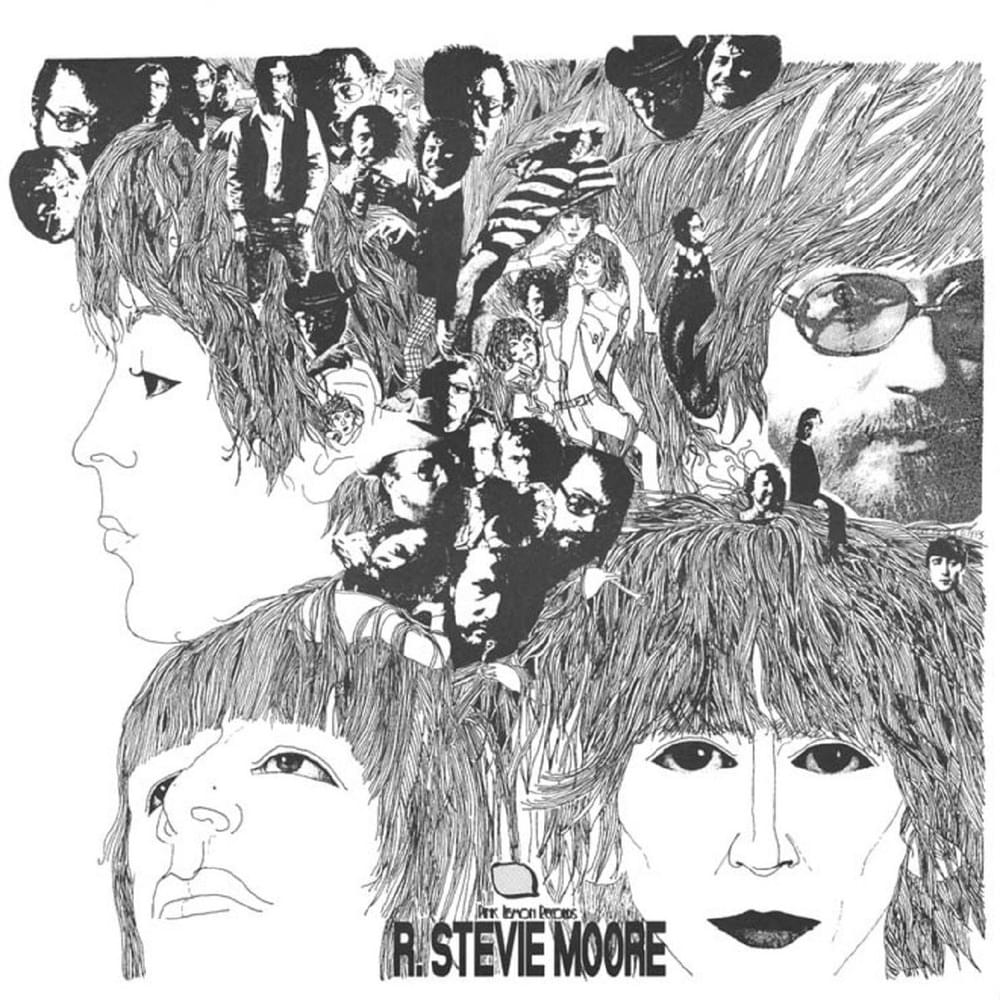
 View Artist