Song Meaning
The lyrics paint a picture of a tense, almost volatile springtime romance. The opening lines, 'Crece la hierba en el primer cajón / De la estación de primavera,' immediately set a tone of unexpected growth and perhaps decay, juxtaposed with the season of renewal. This isn't a gentle unfolding; it's charged with 'besos a traición' and 'ruidos de ventanas abiertas,' suggesting a relationship fraught with betrayal and unease, where openness is also a vulnerability.
The central tension seems to stem from an intense, destructive passion. The line 'Arde una estrella entre nosotros dos / Que no me deja estar tan cerca' speaks to a love that's too bright, too consuming, creating distance rather than intimacy. This destructive force is further emphasized by the question, 'Quien necesita una canción de amor / Cuando se tiene la violencia en vena?' It suggests that the raw, perhaps violent, energy between the two is more potent and real than any conventional love song could capture.
The imagery of 'pintura de guerra' requested for the 'escalera de color' is particularly striking. It implies a need to fortify oneself or perhaps to disguise the true colors of their situation, turning a potentially romantic ascent into a strategic maneuver. Later, the contrast between the decaying 'flores secas' and the collection of 'lunas llenas' hints at a pattern of collecting fleeting moments or perhaps past glories, while the present is marked by dryness and neglect, even as a 'fiesta en mi azotea' suggests a facade of celebration.
Ultimately, the effectiveness of these lyrics lies in their ability to evoke a complex emotional landscape through stark, often contradictory imagery. The narrator appears to be caught between a desire for connection and the destructive nature of their passion, using metaphors of decay, war, and fleeting celestial events to articulate a love that is anything but simple or serene.
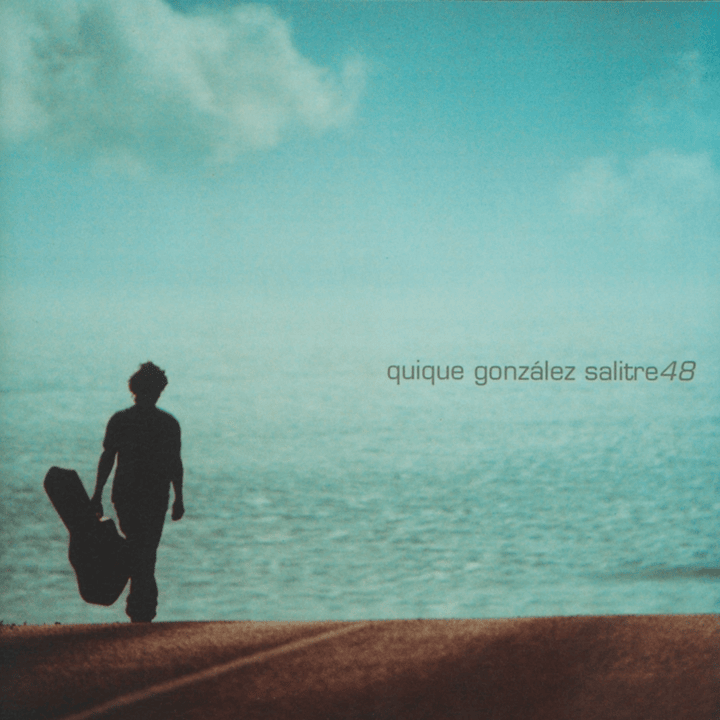
 View Artist