Song Meaning
The lyrics paint a scene of quiet observation and lingering regret, starting with a "mute guitar on the beach" and "hundreds of songs passing by." This imagery suggests a sense of lost potential or unspoken feelings, a backdrop against which "hundreds of your ways" are recalled. The narrator then shifts to a more direct, almost defensive tone, stating "it's not my intention to carry the blame" and admitting a reluctance to fully engage, "not always willing to live / Braking on almost every curve." This self-awareness of holding back creates an immediate tension.
The core conflict seems to stem from a past relationship where the narrator acknowledges their own hesitations and perhaps a failure to fully commit or appreciate the other person. There's a powerful contrast between the desire to ignite something profound – "still could light / Two moons on your back" – and the reality of their own limitations and the potential for darkness. The imagery of "smelling of leather and dawn" juxtaposed with "a storm afterwards" highlights this duality of intense passion and inevitable turmoil that the narrator seems to anticipate or perhaps even cause.
The writing excels in its evocative, almost surreal imagery. The idea of lighting "two moons on your back" or "two moons on your face" is striking, suggesting a transformative, almost celestial effect the narrator could have had or still desires. This is contrasted with the stark reality of being "left in the dark" and the raw vulnerability that "joy shows you naked." The final warning, "take care of yourself / From those we never forgive," adds a layer of somber consequence, implying that past hurts or unforgiven actions have lasting repercussions.
Ultimately, these lyrics resonate because they capture the complex interplay between desire, self-doubt, and the bittersweet acknowledgment of what might have been. The narrator grapples with their own role in the relationship's dynamic, using vivid, sometimes contradictory images to express both the potential for ecstatic connection and the painful reality of missed opportunities and lingering shadows. The raw, confessional tone, grounded in specific, memorable phrases, makes the emotional weight of these reflections palpable.
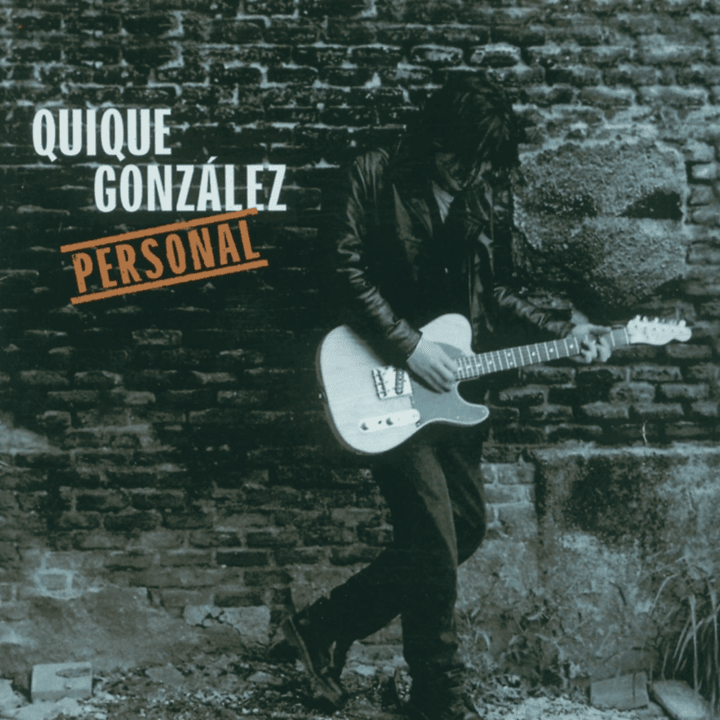
 View Artist