Song Meaning
The narrator urgently calls out for a companion, emphasizing a perpetual sense of danger and a need for someone to share their path. The plea "Corre e vem comigo" (Run and come with me) sets a tone of immediate, almost desperate, camaraderie against an unending threat. This isn't just about finding company; it's about navigating a perilous existence together, with the narrator admitting "Eu preciso de amigo" (I need a friend) and wanting someone to follow "por onde eu não vim" (where I haven't come from), suggesting a desire for shared exploration or escape.
The lyrics then pivot to a more cynical, self-protective stance, advising caution and distrust. The lines "Jogue na zebra / Xingue a sorte, irmão" (Bet on the underdog / Curse luck, brother) and "E não de a mão sem olhar" (And don't give your hand without looking) reveal a world where betrayal is expected. The narrator seems to acknowledge their own complex nature, stating "Olha eu, eu me defendo e me vendo sem disfarçar" (Look at me, I defend myself and sell myself without disguise), suggesting a willingness to be transactional or guarded for survival.
What's striking is the juxtaposition of the initial plea for connection with the later warnings about self-preservation. The repeated phrase "Quem quiser, que me entenda e se venda antes de não se dar" (Whoever wants to understand me, sell themselves before they don't give) is particularly potent. It implies that understanding the narrator requires a similar willingness to compromise or even exploit oneself, a harsh condition for any potential friendship. This suggests that the narrator's need for a friend is tempered by a deep-seated suspicion and a belief that genuine connection comes at a significant, perhaps morally ambiguous, cost.
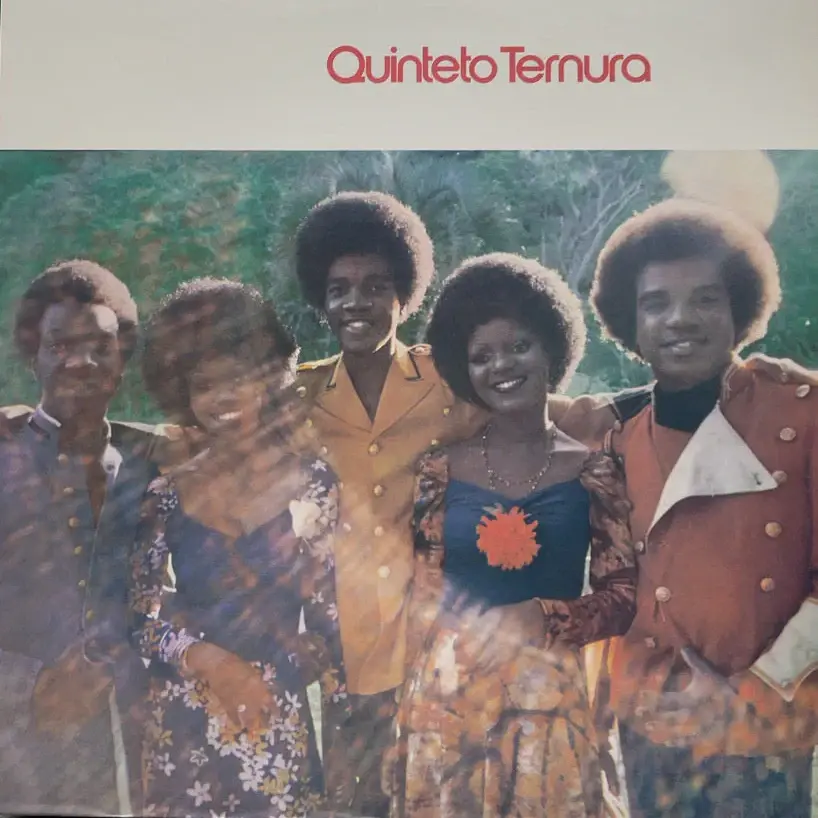
 View Artist