Song Meaning
The lyrics paint a picture of intense anticipation and longing for a reunion. The narrator is counting down the moments until they can embrace a specific person, vividly recalling their presence even in the early hours of the morning. This eagerness is palpable, driving them to prepare their surroundings and indulge in sensory details, like buying apple-flavored drinks and planning for a meal, all while consumed by desire.
The central tension lies in the narrator's impatience versus the perceived distance or delay from the other person. Phrases like "Eu não vejo a hora" (I can't wait) are repeated, emphasizing the urgency. The narrator is actively making plans and preparing, yet the repeated line "Fiquei na varanda, congelou a cheia" (I stayed on the balcony, the tide froze) suggests a sense of being stuck or a pause in the anticipated arrival, creating a poignant contrast between their internal readiness and the external stillness.
A striking element is the narrator's declaration of how they will arrive: "Vou chegar de índio nessa sua aldeia" (I'll arrive like an indigenous person in your village) and later, "Vou chegar de tanga nessa sua aldeia" (I'll arrive in a loincloth in your village). This imagery suggests a primal, uninhibited approach, shedding pretense and arriving with raw, perhaps even vulnerable, intent. It signifies a desire for an authentic, unadorned connection, ready to immerse themselves completely in the other person's space.
This lyrical construction is effective because it grounds abstract longing in concrete actions and vivid imagery. The repetition of key phrases creates a hypnotic rhythm of desire, while the specific preparations – cleaning, buying drinks, planning food – make the narrator's anticipation feel tangible. The shift in arrival imagery from "índio" to "tanga" adds a layer of escalating intimacy and boldness, culminating in a powerful expression of eagerness to connect on a deeply personal level.
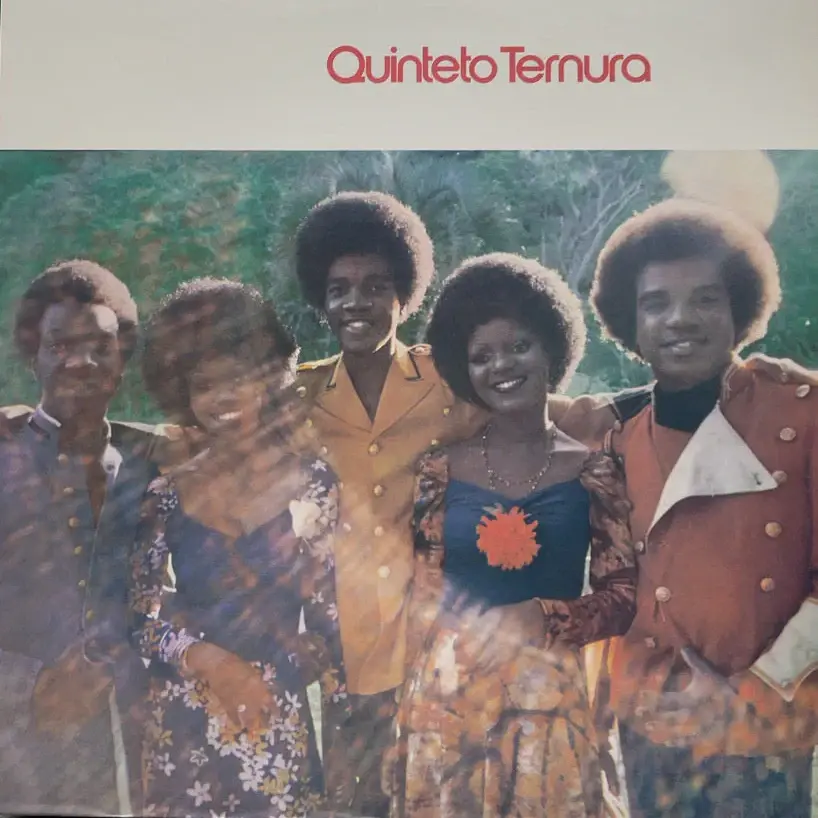
 View Artist