Song Meaning
The lyrics paint a picture of a deliberate descent into an "underground" existence, framed with a playful, almost defiant tone. The narrator and their companions embrace this new status, choosing to live "debaixo da terra" and play their "viola velha" outside bars in Copacabana. This initial image suggests a rejection of mainstream visibility in favor of a more authentic, perhaps bohemian, lifestyle.
This embrace of the "underground" is further characterized by a shedding of conventional responsibilities and a shift in economic activity. The idea of "deixar de cobrar nossas dívidas" and selling "farinha d'água" at a market in Caruaru implies a move away from the pressures of financial obligation and a connection to more grassroots commerce. It's a conscious choice to operate outside the established system, finding value in simpler exchanges.
The narrator finds liberation in this new status, no longer needing to track their fame or relevance through traditional media like newspapers or television. The line "Pra ver se eu continuo na crista da onda" highlights a past concern with popularity that is now obsolete. This detachment from external validation is a key benefit of their chosen "underground" identity.
Ultimately, the lyrics suggest that being "underground" allows for a more fantastical and protected existence, even if it's a self-created one. The image of living in an "castelo encantado" and being "paparicados pelos donos da bola" offers a whimsical, almost childlike vision of their new reality. The outro, comparing themselves to a "tatu-bola debaixo da terra" and the proverb "Que o bom cabrito não berra," reinforces a sense of quiet contentment and self-sufficiency in their chosen obscurity.
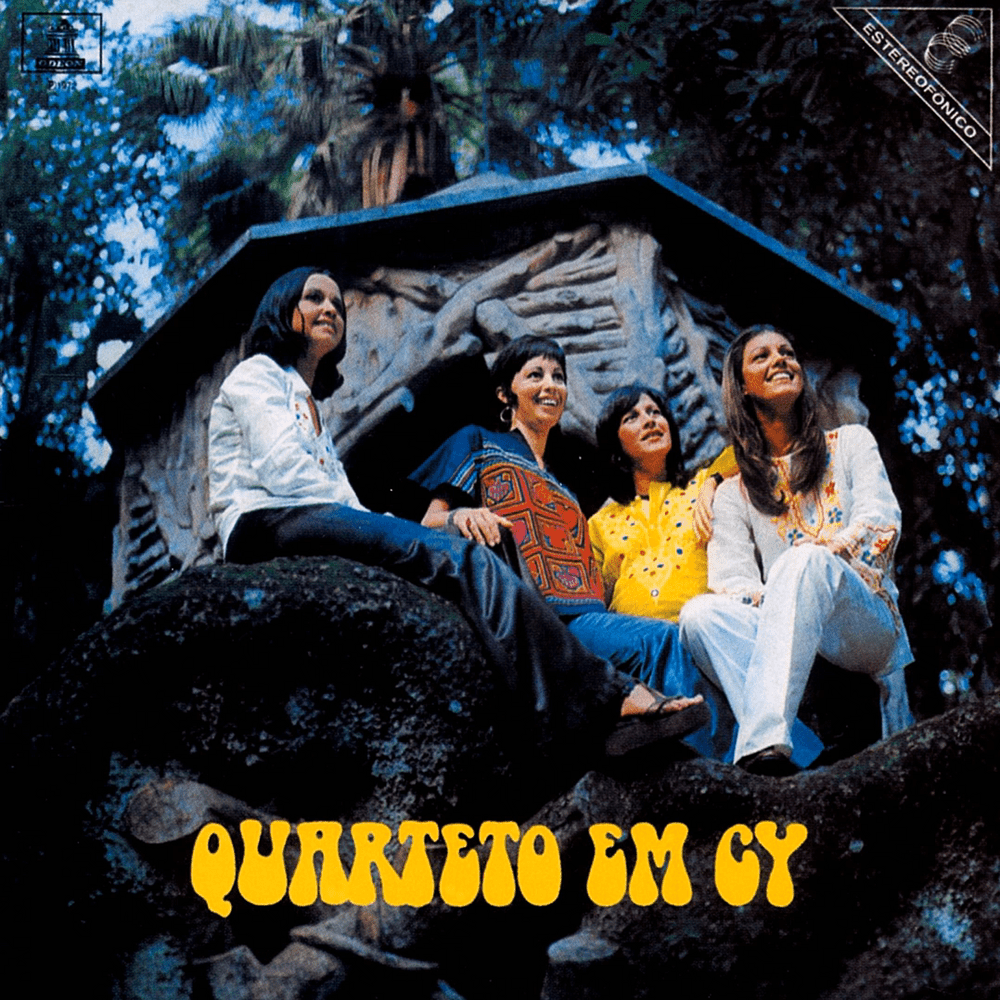
 View Artist