Song Meaning
The narrator embarks on a series of quests, each guided by a different celestial body, only to find their pursuits repeatedly thwarted. Initially, the search for a friend leads to danger, a stark contrast to the intended companionship. The pursuit of a lover is met with the painful realization that they are with someone else, highlighting a sense of distance and unattainable desire. The journey for a beloved takes an even more isolating turn, with the path described as a series of empty or disappointing stops.
The core tension lies in the cyclical nature of disappointment and the elusive quality of the narrator's desires. Whether seeking friendship, romantic love, or an idealized partner, the outcome is consistently negative or unfulfilled. The repeated phrase, "Mas vejo outro igual / Nascer no outro dia," underscores a profound sense of futility, suggesting that overcoming one obstacle or disappointment only leads to the emergence of another identical problem.
The lyrics masterfully employ celestial navigation as a metaphor for seeking fulfillment. The "Estrela do Norte," "Do Sul do Cruzeiro," and "Pelas Três Marias" represent guiding lights or clear directions, yet they paradoxically lead the narrator into peril, separation, and emptiness. This contrast between the promise of guidance and the reality of failure is the song's most potent device, creating a poignant sense of being lost despite having a supposed map.
This repetitive structure and the imagery of stars that fail to deliver create a powerful emotional resonance. The narrator's persistent searching, coupled with the inevitable return to a state of dissatisfaction or renewed struggle, makes the lyrics feel like a lament for unattainable ideals. The final, echoing lines hammer home the feeling of an endless, unwinnable battle against recurring misfortune.
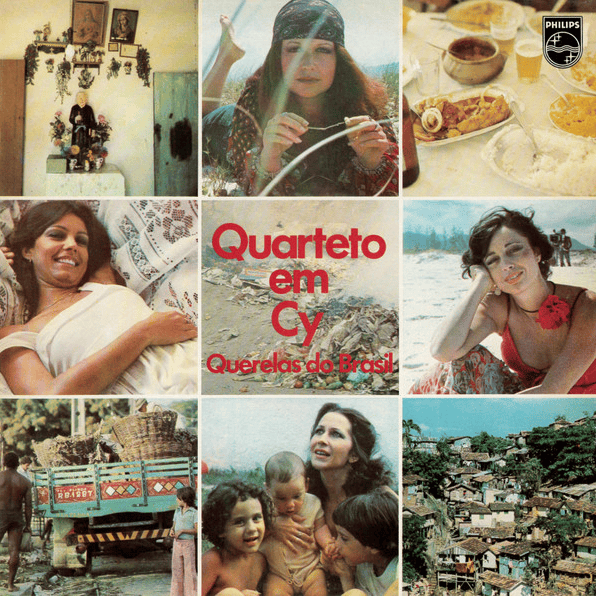
 View Artist