Song Meaning
The lyrics paint a stark picture of a soldier, addressed as "Du braver Soldat" (You brave soldier), tasked with guarding a border during peacetime. The opening lines immediately establish a scene of duty and a tragic consequence: a shot fired in peace that hit a heart and silenced hope at the barbed wire. This sets a somber and questioning tone, hinting at the moral weight of the soldier's actions.
The central tension arises from the narrator's interrogation of the soldier's internal state and beliefs. The lyrics repeatedly ask if the soldier truly believed that someone trying to cross had no right to live, or if fear was the primary motivator. This direct questioning probes the conflict between duty, personal conviction, and self-preservation, suggesting that the act of killing might have stemmed from more complex, perhaps darker, human impulses than simple obedience.
The craft of the lyrics lies in its relentless, direct address and the recurring questions that build a sense of unease. The repetition of "Du braver Soldat" juxtaposed with the violent imagery creates a powerful irony. The narrator doesn't accuse but rather implores the soldier to confront the reality of his actions, asking if he saw the victim's face or if it was easier to shoot a back. This focus on the soldier's perception, or lack thereof, underscores the dehumanizing nature of the act and the potential psychological toll.
Ultimately, these lyrics resonate because they force a confrontation with the human cost of conflict, even in its quietest moments. The repeated questions about the soldier's conscience and fear, his belief system, and his fear are not just rhetorical; they aim to expose the fragile line between following orders and succumbing to primal emotions. The closing lines, questioning if a command could drive one to madness, leave the listener with a profound sense of the psychological burden carried by those who enforce borders, suggesting that bravery might be a mask for a deeper, unresolved trauma.
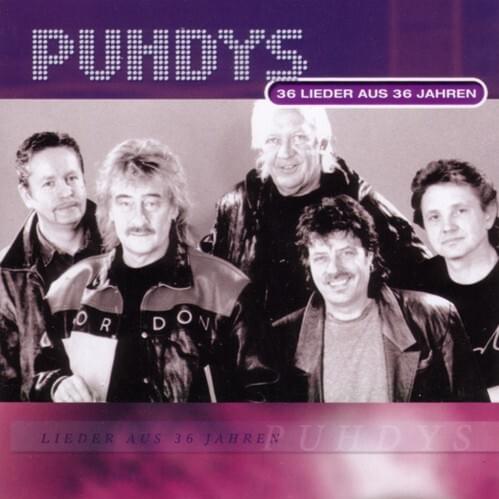
 View Artist