Song Meaning
The lyrics paint a vivid picture of how our perception of the world shifts with age, moving from an all-encompassing embrace in childhood to a more complex, sometimes distant, relationship in later life. Initially, the world is a "riesig groß" (gigantic) and nurturing "Schoß" (womb), a safe space that closes around the young narrator. This sense of wonder continues into childhood, where the world is a vibrant "Blatt Buntpapier" (sheet of colored paper), full of playful possibilities where simple arithmetic doesn't quite add up.
As the narrator enters adulthood, the world's nature transforms. At twenty, it's "liebeleer, liebevoll" (loveless, loving), a paradox suggesting a mix of romantic yearning and genuine affection, imprinting experiences "in die Haut" (into the skin) that make one feel "reich" (rich) and "toll" (great). By thirty, the world remains "noch ganz rund" (still quite round) and a source of "Genuß" (pleasure), where every "Rätsel" (riddle) is solvable, still a "Spiel" (game) and not a "Nuß" (nut, i.e., a tough problem).
The lyrics then shift to a more philosophical reflection on strength and aging. When one is "stark" (strong), the world "nährt unsre Kraft" (nourishes our strength), making one feel like an unshakeable "Baum" (tree). However, as one "wird älter" (gets older), the world "läßt keinen los" (lets no one go), forcing a continued "Stirn bieten" (to offer one's forehead) against life's "Schlag" (blow) and "Stoß" (push). This suggests a persistent engagement with life's challenges, even as physical capabilities may wane.
Finally, the lyrics touch upon the perspective of extreme old age, where the world appears "jünger schon, als wir sind" (already younger than we are), a poignant observation on the subjective experience of time. The narrator notes the quietude of old age, where "manchmal sitzt man schon zu Haus" (sometimes one sits at home already), feeling only a "leichter Wind" (light wind). Yet, even at a hundred, the world can still be "ein Teil" (a part) of us if we have "besser sie gemacht" (made it better), a powerful closing thought on legacy and positive impact, regardless of age.
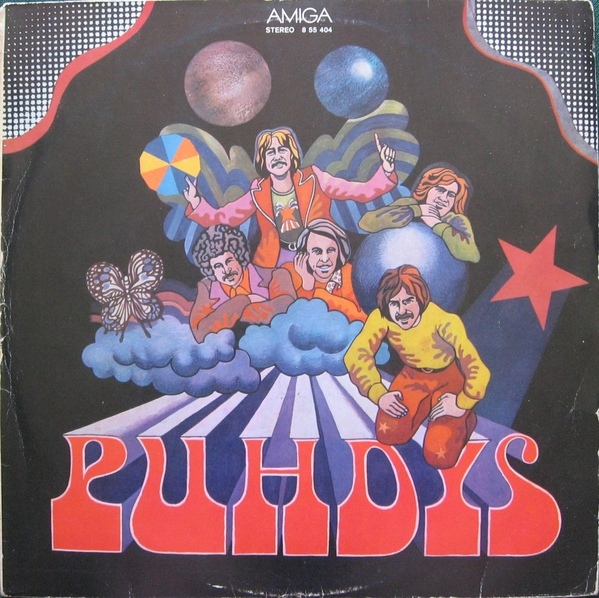
 View Artist