Song Meaning
Professor Longhair's live rendition of "Mardi Gras in New Orleans" isn't just a song; it's an invitation, a beckoning call to the heart of a cultural phenomenon. Stripped down to its essence, the lyrics act as a travel advisory and a primer on Carnival traditions. But beyond the surface-level directions, the song taps into something deeper: the human desire for belonging and shared experience. The repeated lines serve as a mantra, embedding the listener into the anticipation and excitement that permeates New Orleans during Mardi Gras. It's a promise of community, suggesting that even a newcomer, armed with just a ticket and a willingness to participate, will find their place within the revelry. The song acts as a portal, offering the listener a vicarious taste of the city's unique energy.
The references to the Zulu King and the Queen are particularly telling. They highlight the historical and cultural significance of Mardi Gras, acknowledging its roots in both European traditions and African-American expression. The Zulu King, in particular, represents a powerful symbol of resilience and self-determination within the Black community of New Orleans. By directing the listener to St. Claude and Dumaine, Professor Longhair grounds the celebration in a specific geographical and cultural context, emphasizing the importance of place and history. The "old auditorium" is not just a landmark; it is a site of collective memory, a space where generations have gathered to witness the spectacle of Carnival.
Ultimately, "Mardi Gras in New Orleans" is about more than just parades and costumes. It's about the underlying human need for ritual, celebration, and communal expression. Professor Longhair understood that Mardi Gras is a release, a temporary suspension of everyday life where social barriers dissolve and collective joy reigns supreme. The song captures this spirit perfectly, inviting listeners to not just observe, but to participate in the creation of something truly special. It's a song about the transformative power of shared cultural experience, a reminder that sometimes, the most profound human connections are forged in the midst of collective revelry.
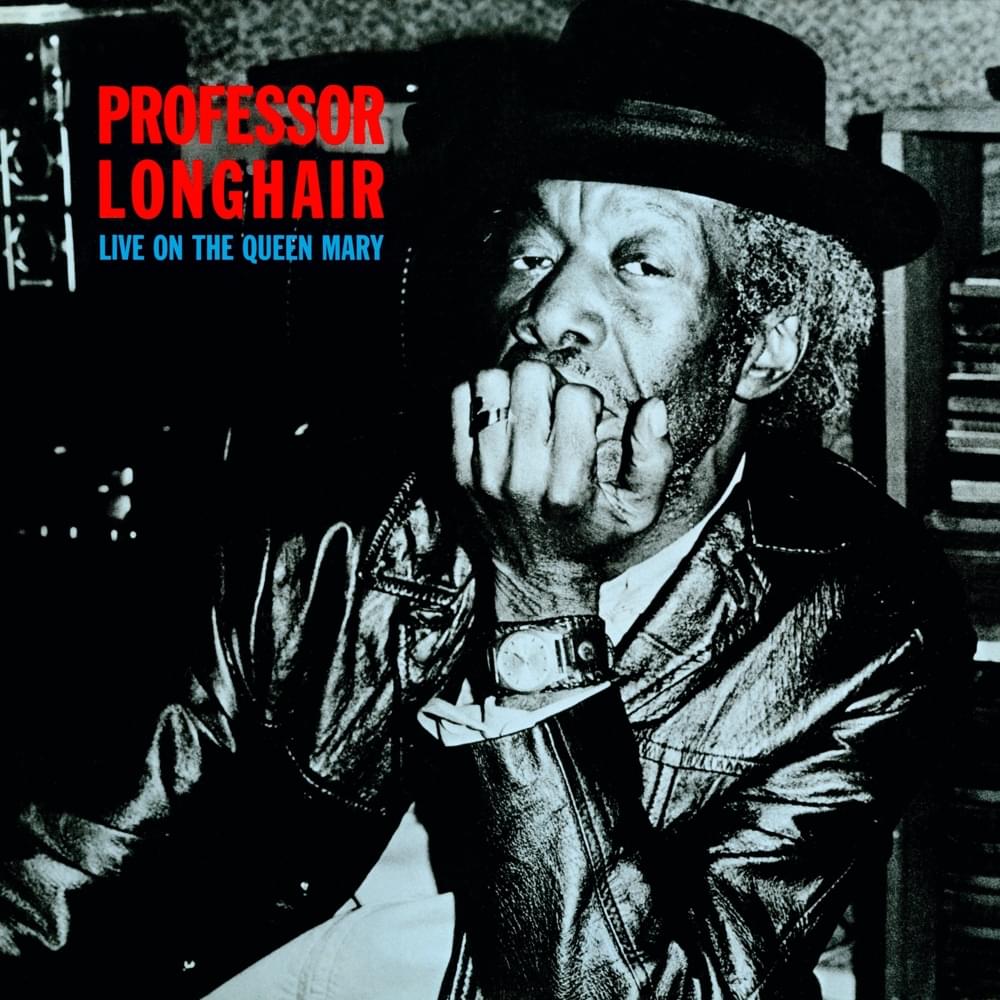
 View Artist