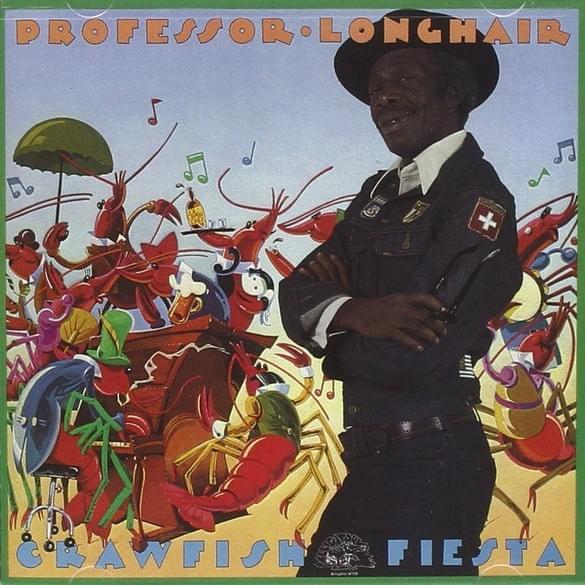
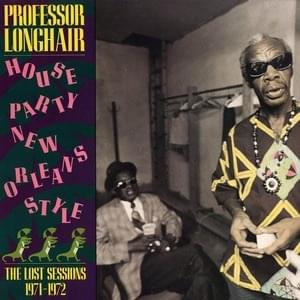
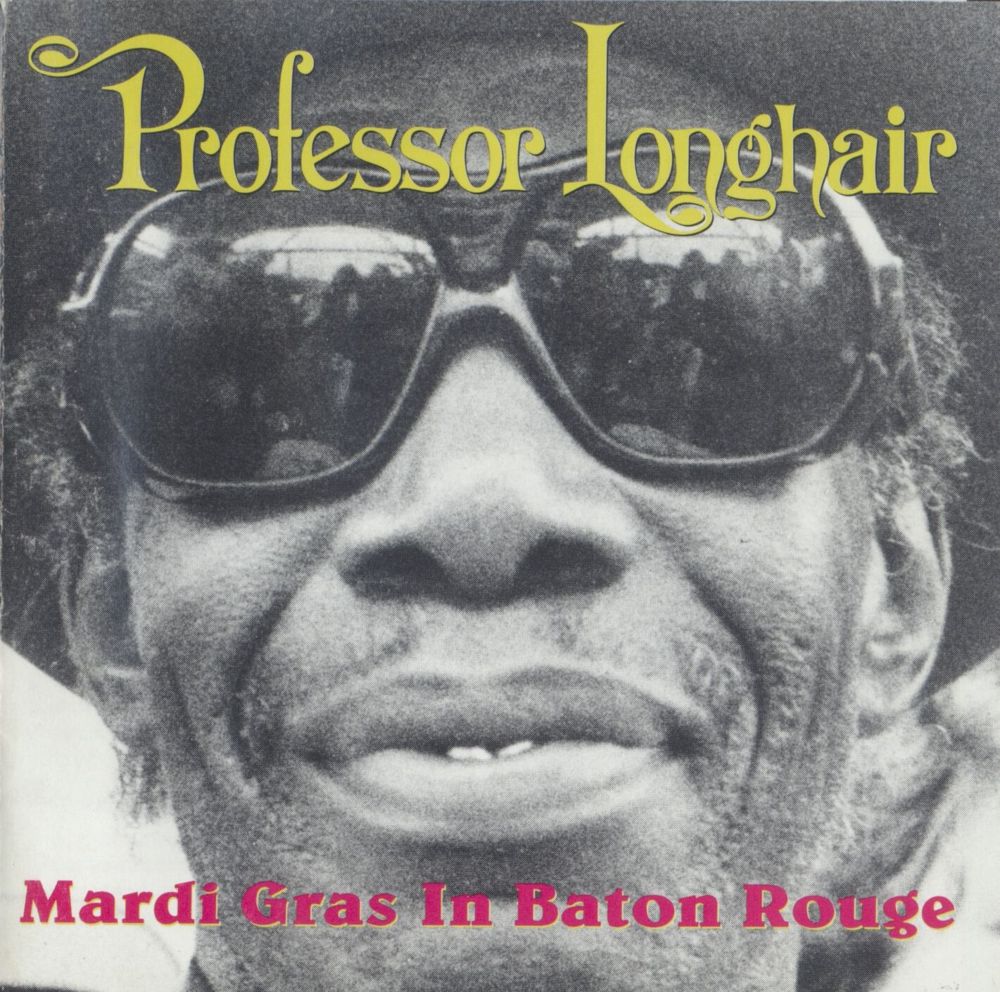
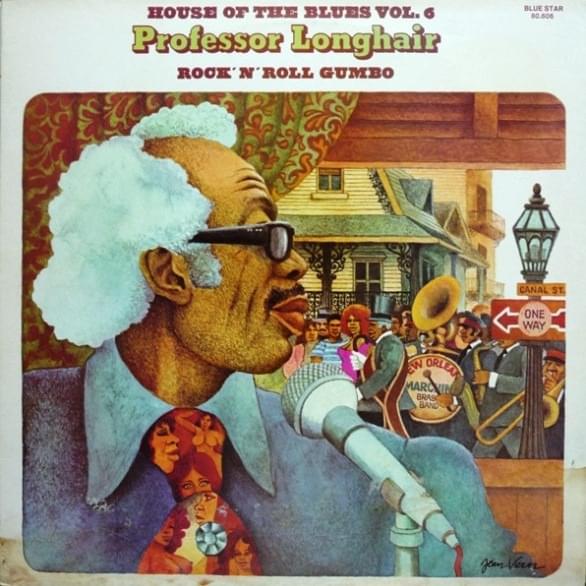
Professor Longhair, born Henry Roeland Byrd, wasn't just a pianist; he was the heartbeat of New Orleans. His unique blend of blues, jazz, and Caribbean rhythms, all filtered through his unparalleled piano style, cemented his place as a foundational figure in American music. While often categorized under blues or R&B, Longhair’s music transcended genre, creating a sound entirely his own – a sound that continues to resonate through the streets of New Orleans and beyond.
Longhair's career was marked by periods of immense popularity and relative obscurity. He rose to prominence in the late 1940s and early 1950s with hits like "Bald Head," but his star faded somewhat in the following decades as musical tastes shifted. Yet, he never stopped playing, and a resurgence of interest in his music in the 1970s brought him back into the spotlight, culminating in performances at prestigious festivals and renewed recognition of his immense talent. This resurgence allowed a whole new generation to discover the magic of Professor Longhair. His influence extends far beyond New Orleans, impacting countless musicians and shaping the landscape of American popular music.
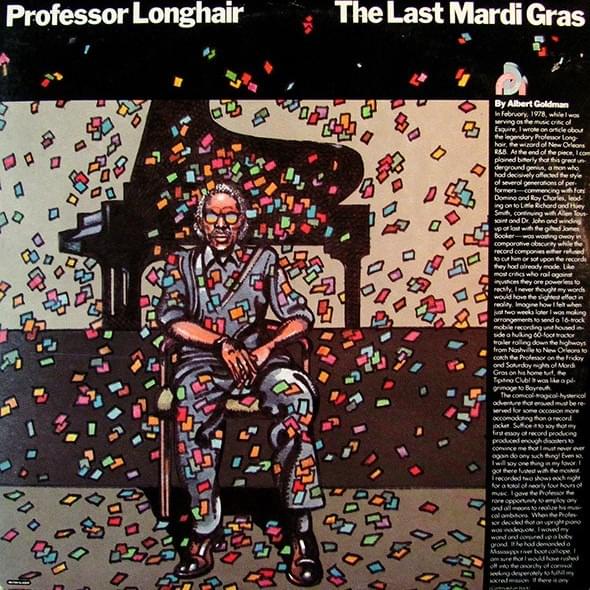
His legacy is deeply intertwined with the culture of New Orleans, particularly Mardi Gras. No celebration is complete without the infectious energy of Mardi Gras in New Orleans (live), a song that perfectly captures the spirit of the city's most famous event. But Longhair's music was more than just festive; it was deeply soulful and often melancholic. Songs like Gone So Long (1971) showcase his ability to convey deep emotion through his piano playing and vocals. His influence is still felt today, especially among New Orleans pianists who carry on his legacy.
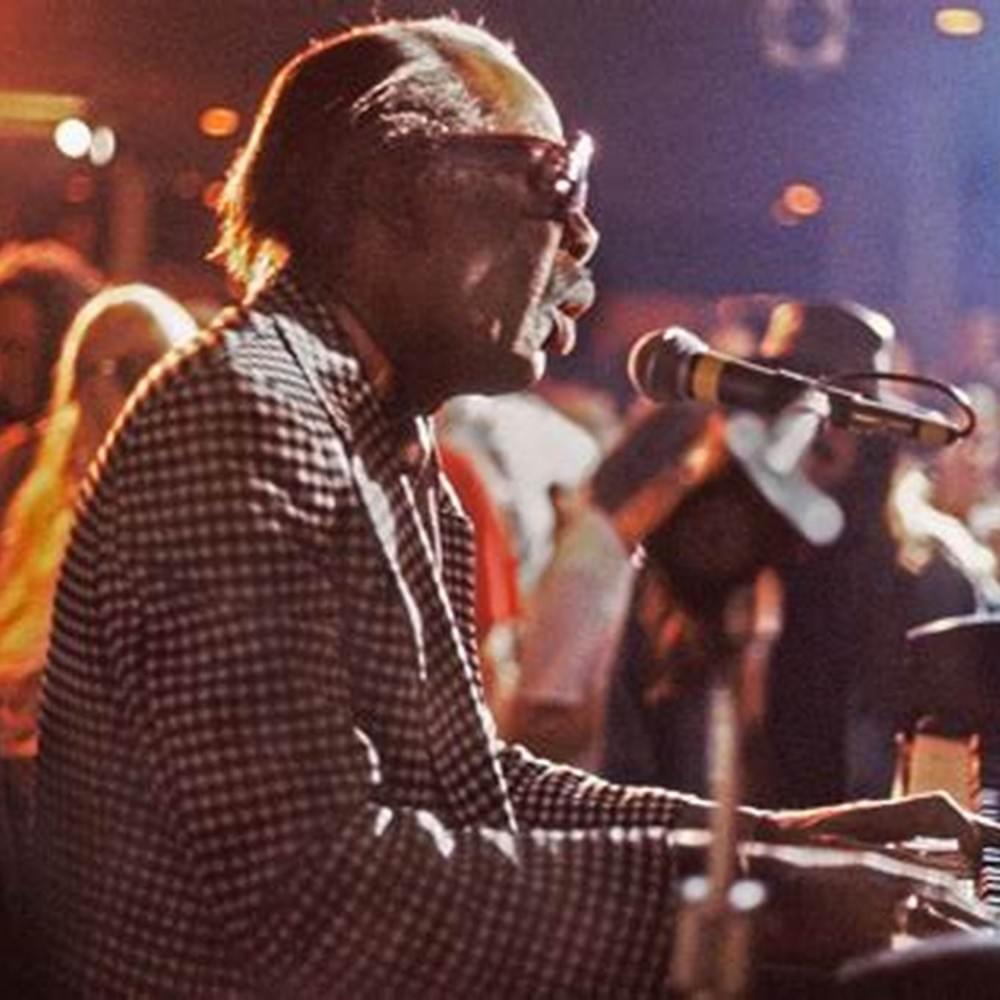
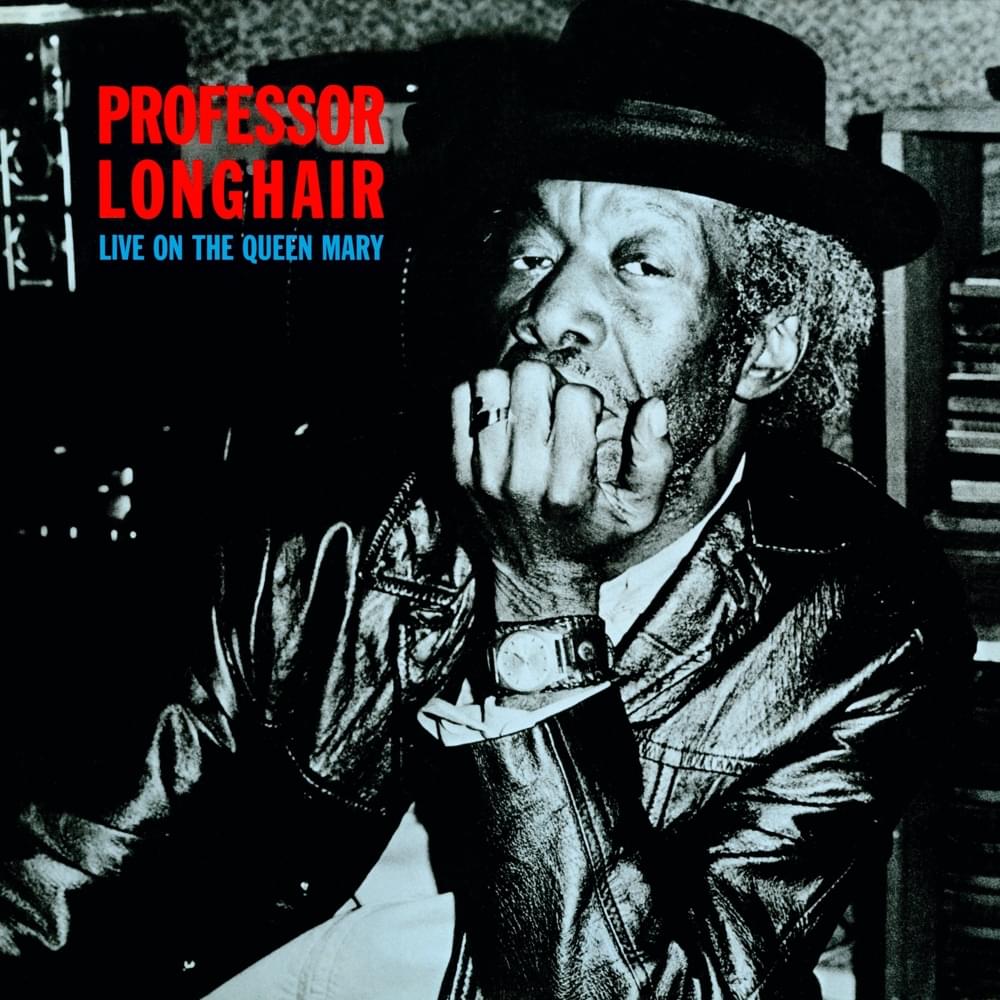
Beyond the studio, Longhair was a captivating live performer. Recordings like Tipitina (live) offer a glimpse into the energy and spontaneity of his shows. Tipitina's, the New Orleans club named in his honor, stands as a testament to his enduring impact on the city's music scene. While he had many popular recordings, it was his live performances that truly solidified his reputation as a musical genius. His piano was his voice, and he used it to tell stories, express emotions, and connect with his audience on a profound level. He could weave intricate melodies and rhythms that made you want to dance, even as his lyrics told tales of heartbreak and hardship.
Even after his passing in 1980, Professor Longhair's music continues to inspire. Tracks like Thank You Pretty Baby remain timeless classics, reminding us of the power of music to transcend time and cultural boundaries. His unique piano style, a blend of blues, jazz, and Caribbean influences, remains instantly recognizable and deeply influential. Listening to his music is like taking a walk through the French Quarter, soaking in the sights, sounds, and spirit of New Orleans. Professor Longhair wasn't just a musician; he was a cultural icon, a musical ambassador, and the soul of New Orleans piano. The raw emotion in tracks like Gonna Leave This Town shows his versatility.
His contribution to American pop music is undeniable, cementing his place as a legend. The world lost a true music icon with his passing. One only needs to listen to Tell Me Pretty Baby (live) to feel the energy he brought to every song.