Song Meaning
The lyrics immediately confront a barrage of questions and assumptions, framing them all under the repeated, almost exasperated, label of "controversy." The narrator expresses disbelief at the sheer volume of speculation about their identity and beliefs, from race and sexuality to faith and self-worth. This sets up a central tension: the external pressure to define oneself versus an internal sense of self that resists easy categorization. The narrator seems to be pushing back against the need for definitive answers, highlighting the futility of such scrutiny.
The core conflict arises from the clash between the public's insatiable curiosity and the narrator's apparent desire for personal autonomy. Questions like "Am I black or white, am I straight or gay?" and "Was it good for you, was I what you wanted me to be?" reveal a persistent external gaze that seeks to box the narrator in. The repeated "controversy" acts as a shield and a complaint, acknowledging the noise while refusing to be defined by it. This suggests a struggle against being reduced to labels or expectations.
The most striking aspect of the writing is the stark contrast between the relentless questioning and the narrator's philosophical pivot. After listing the external interrogations, the lyrics introduce a profound shift: "Some people wanna die, so they can be free / I said life is just a game, we're all just the same." This juxtaposition elevates the song beyond mere personal grievance. It suggests that the external controversies are ultimately trivial when viewed through the lens of life's fundamental equality and the shared human desire for freedom, even if that freedom is perceived as escape.
This lyrical approach is effective because it grounds abstract philosophical ideas in relatable, almost mundane, public scrutiny. The insistent repetition of "controversy" mirrors the inescapable nature of gossip and judgment, making the narrator's eventual assertion of shared humanity feel earned and powerful. The shift from specific identity questions to a universal statement about life as a game creates a sense of catharsis, implying that the true freedom lies not in answering the critics, but in recognizing our common ground and equal standing outside the noise.
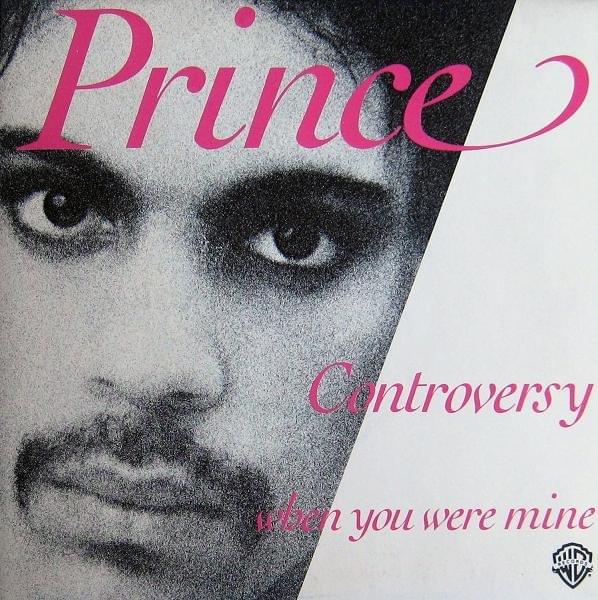
 View Artist