Song Meaning
The lyrics paint a stark picture of a family facing an imminent, overwhelming natural disaster. The opening lines establish a grueling routine, "workin' in the dust," a shared labor of "pickin' cotton" that underscores their shared struggle and proximity. This shared hardship is immediately juxtaposed with a deeply personal memory: the narrator's father crying, a moment of profound, unspoken fear that foreshadows the coming danger.
The central tension arises from the urgent need for survival against the relentless force of the "big wind." The repeated warning, "Big wind's a comin'," acts as a primal alarm, driving the narrative forward with increasing urgency. The command to "hurry up son be quick don't stall" and "take the kids and get below" highlights the immediate, life-or-death stakes, where any delay could prove fatal for the entire family.
The most striking element is the tragic turn of events. The narrator's successful race to warn his mother offers a brief moment of relief, but this is shattered by the father's fate. The image of the father "on the cellar and by now the sky was yellow" creates a terrifying visual of the storm's peak. His death, accompanied by the sound of "trees were fallin'," is amplified by the lingering echo of his final warning, "Son big wind's a comin'," a chilling testament to the storm's power and the father's ultimate sacrifice.
These lyrics resonate because they capture the raw, visceral fear of helplessness against an unstoppable force, framed by the intimate bonds of family. The contrast between the mundane labor and the sudden, violent destruction, coupled with the father's final, echoing words, creates a powerful emotional impact. The narrative's progression from shared work to desperate flight and ultimately to tragic loss, all under the shadow of the "big wind," leaves a lasting impression of nature's indifference and the fragility of life.
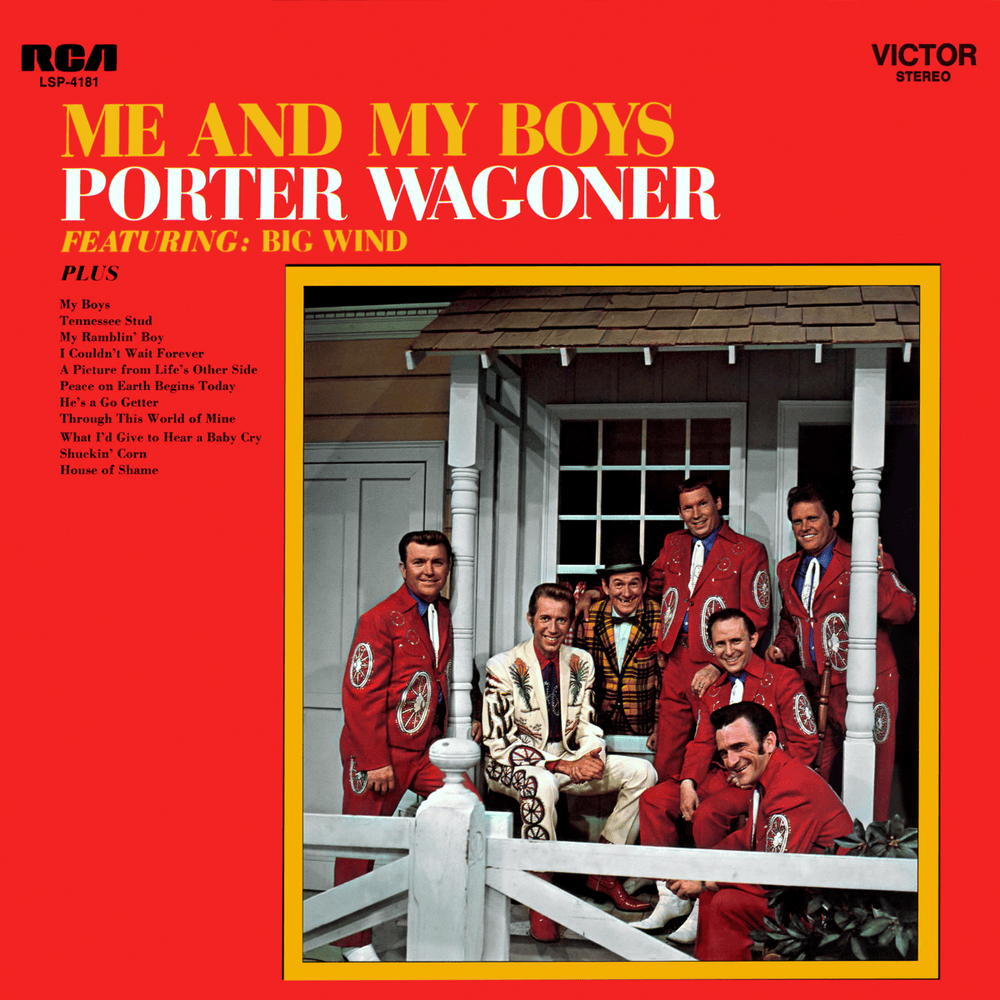
 View Artist