Song Meaning
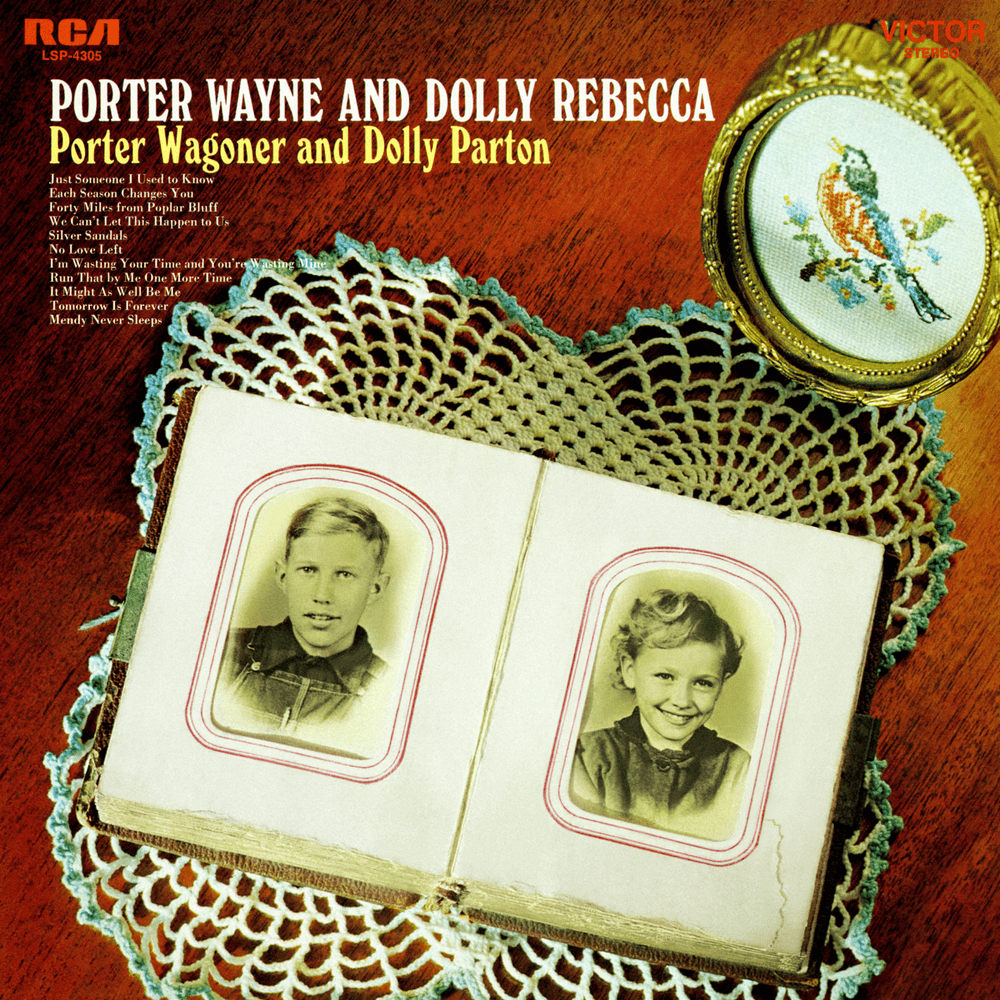
The lyrics present a stark contrast between a carefully curated public image and a deeply private emotional reality. The narrator carries a photograph, a tangible reminder of a past connection. When questioned about the person in the image, the immediate, almost reflexive response is dismissive: "just someone I used to know." This phrase acts as a shield, a simple label designed to deflect deeper inquiry and maintain a facade of detachment. The repetition of this line underscores its function as a practiced, perhaps even necessary, piece of social armor.
The true emotional weight lies in what the narrator *doesn't* say. Beneath the surface of casual acquaintance, there's a profound and ongoing pain. Lines like "nights I cried without you" and "how lost I am without you" reveal a persistent, unresolved grief. The lyrics suggest a deliberate choice to suppress these raw feelings, opting instead for a narrative of faded relevance. This creates a powerful tension between the outward presentation of moving on and the internal experience of lingering heartbreak.
The craft here hinges on this deliberate omission and the power of understatement. The seemingly innocuous phrase "just someone I used to know" becomes loaded with unspoken sorrow. It's not just about a past relationship; it's about the effort required to *perform* that it's in the past. The imagery of a "flame that's lost its glow" is a gentle metaphor, but it's juxtaposed with the harsh reality of sleepless, tearful nights, highlighting the disconnect between the mild description and the intense suffering.
This lyrical approach is effective because it taps into a common human experience: the need to present a composed self to the world, even when internally unraveling. The repeated, almost defiant, assertion of "just someone I used to know" is what makes the underlying vulnerability so poignant. It's the quiet desperation behind the dismissal that resonates, showing how sometimes the most profound sadness is masked by the simplest of statements.
 View Artist