Song Meaning
The lyrics paint a chilling portrait of an "assassin" in a state of dormant menace, isolated and watchful even in sleep. The opening lines establish a stark, cold atmosphere: "L'assassin sommeille en plein hiver" (The assassin sleeps in the dead of winter), immediately setting a tone of stillness and hidden danger. This figure is "Seul dans sa nuit" (Alone in his night), emphasizing a profound solitude that amplifies the unsettling nature of his presence. The image of sleeping "les yeux ouverts" (with eyes open) is particularly striking, suggesting a perpetual state of alertness, a consciousness that never fully shuts down, even in rest. This is not a peaceful slumber, but a tense, suspended animation.
This stillness, however, is not passive. The assassin is depicted actively preparing, "essuie son grand couteau" (wipes his large knife) and washing his hands, a ritualistic act that underscores the lingering presence of violence. The parenthetical "Chercher l'erreur" (Look for the mistake) acts as a meta-commentary, perhaps inviting the listener to question the very nature of this sleeping threat or the perceived safety of the scene. The lyrics then shift to the internal world of the assassin, where he "illumine ses cauchemars" (illuminates his nightmares), suggesting a self-awareness or even a deliberate engagement with his own darkness. This internal illumination contrasts with the external darkness he inhabits, creating a complex psychological space.
The most potent imagery lies in the juxtaposition of the assassin's hidden nature with his inescapable proximity. He is described as "qui nous colle à la peau" (who sticks to our skin) and yet "à qui on tourne le dos" (and whom we turn our backs on). This creates a palpable tension between the unseen, pervasive threat and the human tendency to ignore or deny what is uncomfortable. The lullaby-like "Dododododo" refrain, especially when paired with the image of the assassin sleeping "Comme un bébé dans son berceau" (Like a baby in its cradle), is deeply disturbing. It transforms a comforting sound into something sinister, suggesting that the capacity for violence can be nurtured from infancy or that the world's most dangerous elements can be lulled into a false sense of security.
The lyrics suggest that this dormant threat will eventually be confronted, not by external forces, but "Par en dedans" (from within). This internal reckoning is framed paradoxically as a form of liberation, allowing the assassin to "Tuer le temps" (kill time) eternally. The final return of "Chercher l'erreur" after the cradle imagery leaves the listener with a lingering sense of unease, questioning the perceived innocence and the true nature of the danger that lies dormant, waiting.
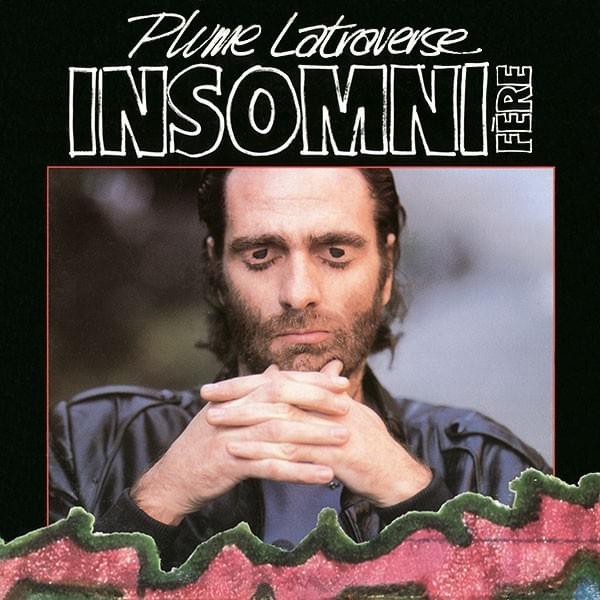
 View Artist