Song Meaning
The lyrics present a stark, almost defiant repetition of the term "Vieux neg'" and "Nég'esse," immediately establishing a raw, confrontational tone. The phrase "Vieux neg' qui pète, les pieds dans bouette" paints a visceral image of someone stuck, perhaps struggling, in mud, suggesting a grounded, unglamorous existence. This is juxtaposed with the assertion "… mais neg' quand même !" which seems to reclaim the identity despite any perceived degradation or struggle.
The central tension appears to be the assertion of identity against external perception or circumstance. The question "Quoi toi a rire?" directly challenges any observer who might find amusement in the depicted state. It's a defensive posture, daring the listener to question the subject's right to exist or be perceived as they are, regardless of their situation.
The craft here is in the relentless repetition and the stark, almost crude imagery. The contrast between the potentially negative connotations of "pète, les pieds dans bouette" or "le fouet' ses fesses" and the unwavering declaration of "neg' quand même !" creates a powerful sense of self-possession. The lyrics refuse to shy away from difficult or potentially loaded terms, instead using them as a foundation for an unyielding declaration of self.
This directness and refusal to soften the language is what makes the lyrics hit hard. They force the listener to confront the terms and the imagery head-on, without the buffer of euphemism. The repeated, almost chant-like structure amplifies the stubborn insistence on identity, making it feel less like a plea and more like an unshakeable statement of being.
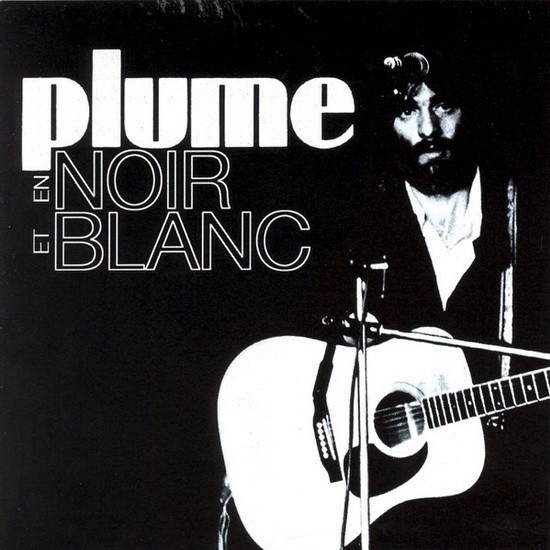
 View Artist