Song Meaning
The lyrics immediately plunge us into a cynical circus, where the performers' vibrant acts barely mask their profound internal struggles. A clown tells a juggler to stop "juggling with your head," suggesting a mind burdened by overthinking. The scene's immediate texture is one of weary, unvarnished truth-telling.
This initial exchange quickly establishes a core tension: the facade of performance versus the raw reality of emotional pain. The juggler retorts, accusing the clown of "painting your face / To make yourself believe you're happy," revealing a shared, unspoken sadness beneath the greasepaint. It's a striking moment where the expected roles of joy and entertainment are inverted, exposing deep disillusionment.
The imagery intensifies with the weightlifter, who claims to "carry the world on my shoulders," explicitly linking his physical feats to the profound burden of "carrying one's cross." This powerful allusion to suffering is echoed later by the tightrope walker, described as "nailed in mid-air on his tightrope" with "crosses on his arms," suggesting a crucifixion-like vulnerability. The repeated motif of the "cross" transforms their acts into poignant displays of existential struggle, not just entertainment.
What makes these lyrics so effective is their unflinching portrayal of vulnerability and the high stakes of existence, even within a seemingly lighthearted setting. The tightrope walker's silent concentration, knowing "there's no net below," encapsulates a universal fear of failure and the solitary nature of personal battles. The final image of "only the clown" watching while "the manager collected the money" starkly contrasts empathy with commercial exploitation, leaving a lingering sense of the unseen costs of human performance.
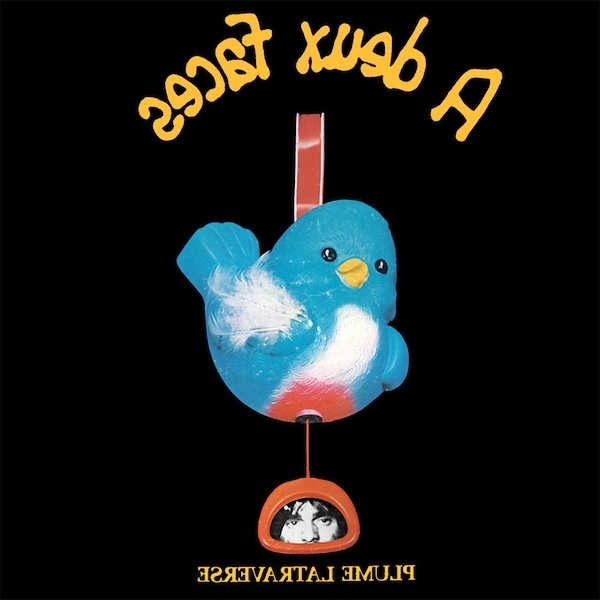
 View Artist