Song Meaning
The lyrics paint a picture of someone emerging from a long period of isolation and searching. The repeated "Aaahhhh" and elongated vowels suggest a release, a sigh of relief or a triumphant cry after a significant struggle. The initial imagery of wandering "dans le miroir des temps" and being "Seuul – loin loin dans la nuit" establishes a profound sense of solitude and timelessness, hinting at a past spent lost or disconnected.
The central tension lies between this past isolation and the present, overwhelming sense of ownership and arrival. The narrator declares "à moi les étoiles" and "à moi le soleil," claiming vast cosmic and celestial domains. This isn't just about finding peace, but about a powerful reclamation, as if the universe itself is now theirs to command or experience fully after a long absence.
The most striking craft element is the juxtaposition of the immense, almost infinite "étoiles" and "soleil" with the personal "moi." The lyrics suggest a profound internal shift where the external universe becomes an extension of the self, a reward for enduring the "miroir des temps." The phrase "J'aaiii – débauché le vent" is particularly evocative, implying an active, almost forceful engagement with the elements, bending them to their will after being adrift.
This writing is effective because it taps into a universal desire for belonging and achievement after hardship. The sheer scale of the claimed ownership – the stars, the sun, the galaxy – amplifies the feeling of triumph. The lyrics suggest that the narrator's past wandering was not just aimless but a necessary precursor to this grand, personal cosmic inheritance, making the present moment feel earned and monumental.
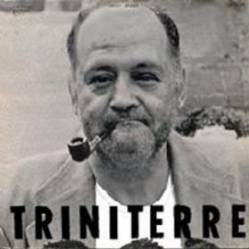
 View Artist