Song Meaning
The lyrics paint a stark, frozen scene where the narrator identifies as the wind, a force of nature rather than a human. The imagery of ice on the river and frost in the hair immediately establishes a cold, isolating atmosphere. The narrator and their companion are confined, waiting out the end of February in the warmth of yellow lamps, unseen in a nameless city. This sense of being hidden and detached from the world is amplified by the narrator's declaration: "I am the wind, I am not a human."
The core tension lies in the narrator's non-human identity and the bleak offerings they provide. Despite a moment of apparent connection, guiding someone home, the narrator's essence is defined by cold and snow. This isn't a love song; it's an acknowledgment of a destructive or at least indifferent force. The repetition of "And all that I will give you is cold and snow" hammers home this unchangeable, elemental nature.
The most striking craft element is the personification of the wind as a distinct entity, separate from human emotion or warmth. The narrator is not just *like* the wind; they *are* the wind, existing in the "fibers of your coat." This intimate yet impersonal connection suggests an inescapable presence that offers no comfort, only the harsh reality of winter. The contrast between the "warmth of yellow lamps" and the wind's icy gifts highlights the fundamental divide.
These lyrics resonate because they capture a specific, chilling emotional state: the feeling of being an outsider, a force of nature that can be close but never truly warm or human. The stark, direct language and the relentless repetition of the wind's identity and its cold offerings create a powerful, almost bleakly beautiful portrait of elemental detachment. It's a reminder that some presences, however close, bring only the chill.
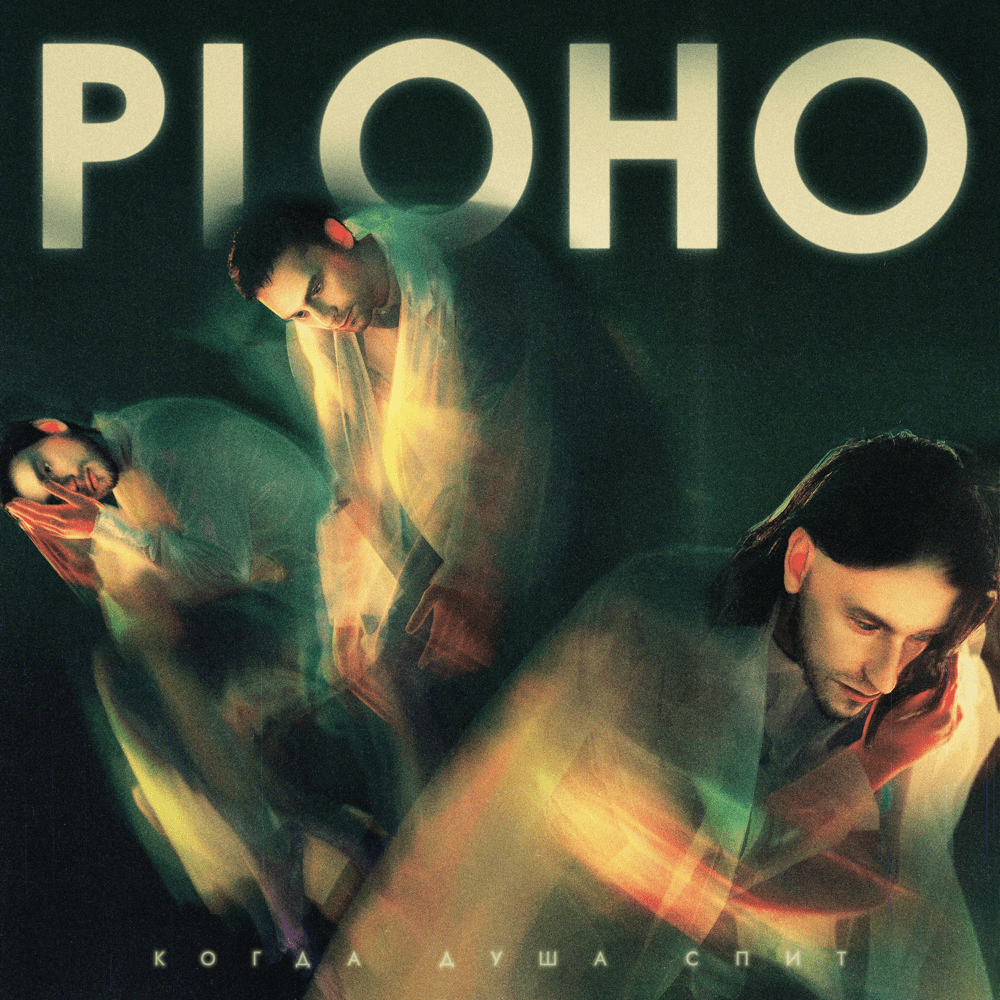
 View Artist