Song Meaning
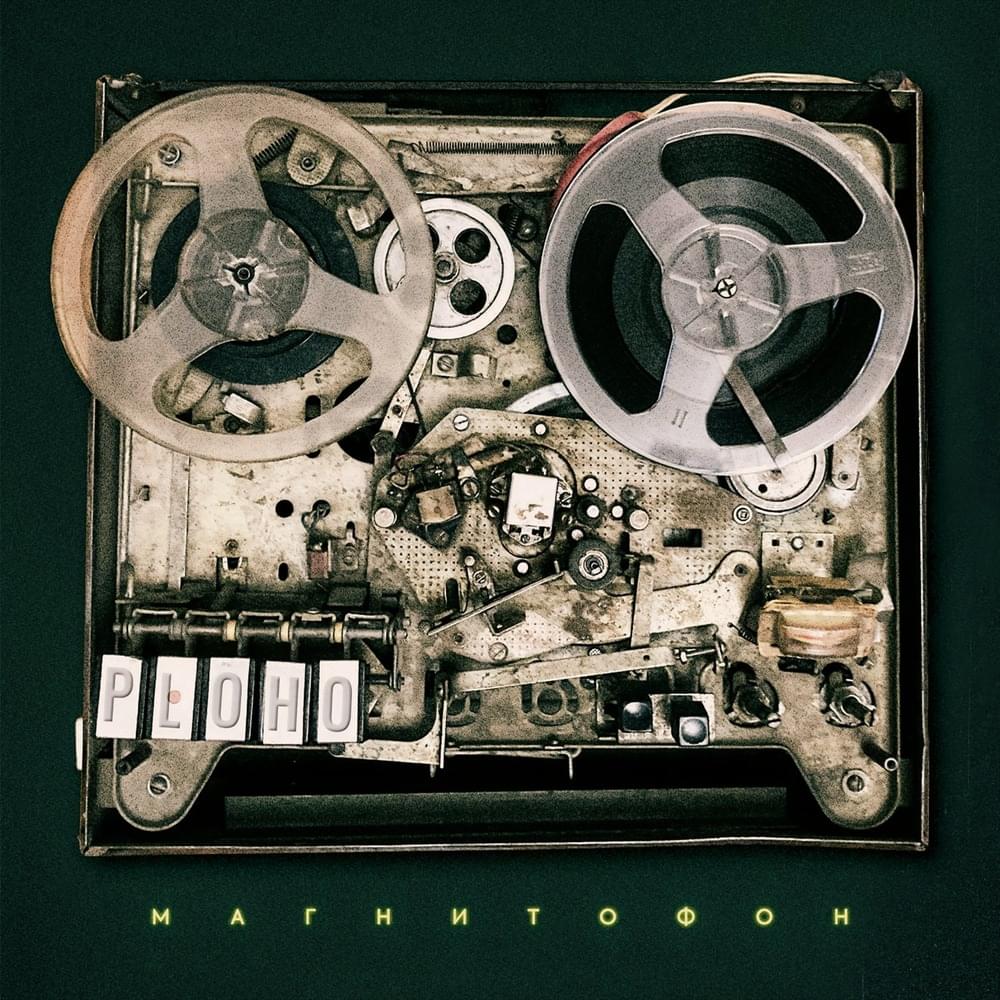
The lyrics paint a stark picture of cyclical heartbreak and the futility of human attempts to capture or preserve love. The opening lines immediately establish a tone of pain, linking time to "dried-out flowers" and people fighting for love only to end up crying. This sets up the central image: the "recorder" that "howls again," suggesting a persistent, mournful sound that underscores this recurring sorrow. It's not just a device; it's a sonic manifestation of their emotional state.
The core tension lies in the repeated, failed attempts at connection and happiness. The narrator observes people searching for someone who will "come again," creating a fleeting illusion of joy. However, this happiness is explicitly described as "the opposite," a hollow imitation. Names are scrawled like chalk on concrete, ephemeral marks that are quickly erased by the inevitable return of the "recorder" waiting on the shelf. This cycle of searching, temporary solace, and inevitable return to sorrow is the driving force.
The most striking craft element is the personification of the "recorder" as something that "howls." This isn't a neutral playback device; it's an active, mournful entity. Its repeated howling and waiting on the shelf suggest a constant, inescapable presence, a soundtrack to their emotional misery. The contrast between the ephemeral acts of love (writing poems, drawing hearts, scrawling names) and the enduring, howling presence of the recorder highlights the transient nature of their attempts at connection versus the persistent pain.
These lyrics hit hard because they capture a specific kind of weary resignation. The "recorder" acts as a powerful, recurring motif that anchors the feeling of being trapped in a loop of disappointment. The writing doesn't offer solutions or grand pronouncements; instead, it focuses on the raw, repeated experience of pain and the melancholic sound that accompanies it, making the emotional weight feel immediate and inescapable.
 View Artist