Song Meaning
The lyrics paint a picture of a disengaged existence, where even the act of dancing feels off-kilter. The narrator's eyes adjust to darkness, finding it more intriguing than the visible world, suggesting a preference for the obscured or perhaps a resignation to a lack of clarity. The repeated frustration with the wrong songs being played underscores a sense of being out of sync with one's own life, a feeling amplified by the declaration of being just another machine among machines. This sets a tone of detached observation and a quiet despair.
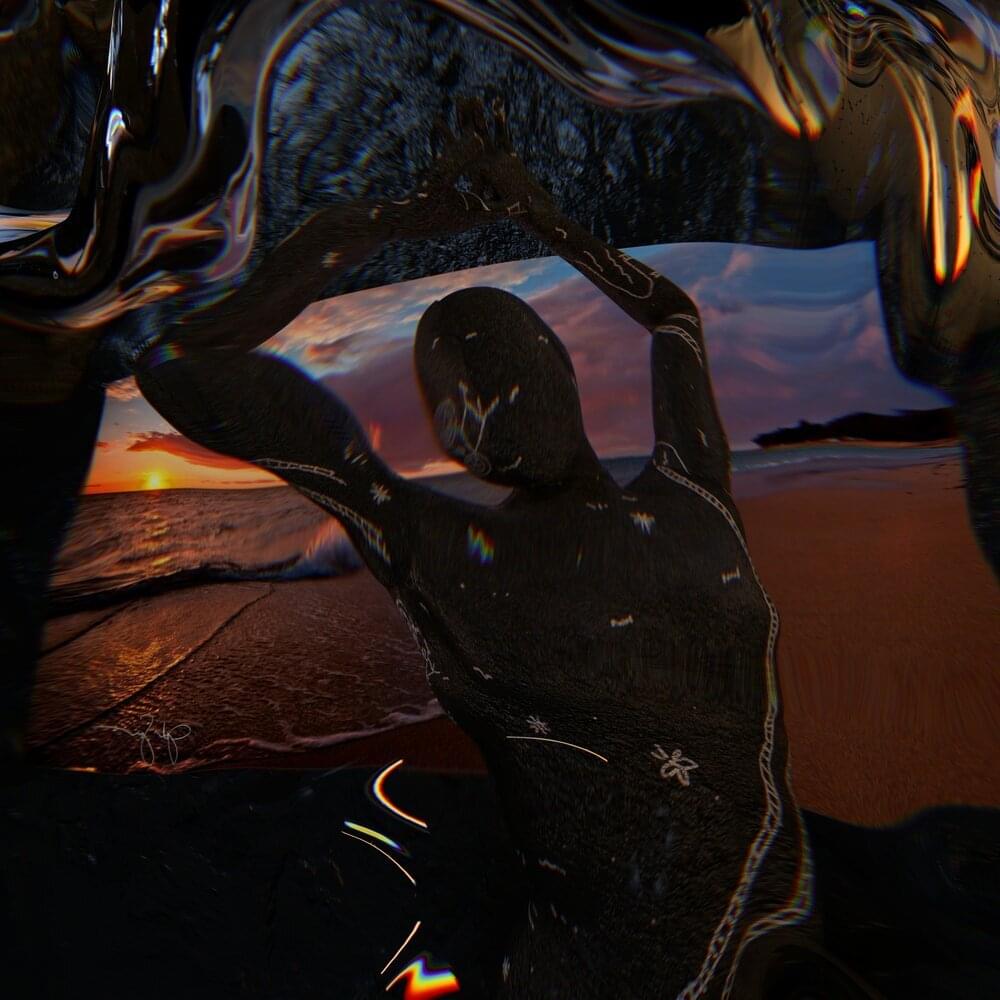
The central tension arises from the contrast between the desire for movement and the inability to find the right rhythm or context. The narrator dedicates their "last dance on the sand" to "sadness," a poignant image that transforms a potentially romantic or celebratory act into an offering to melancholy. This dedication to a feeling, rather than a person or a moment, highlights a profound internal struggle where even cherished places and final gestures are steeped in sorrow. The lyrics suggest a pervasive sense of being trapped in a cycle of wrong choices and unfulfilled potential.
The most striking element is the recurring motif of "dancing in the dark" and the "wrong songs." This isn't just about a literal dance floor; it's a metaphor for navigating life without clear direction or the right soundtrack. The narrator acknowledges they "can move better," implying an awareness of their own capabilities, but the external circumstances – the "wrong songs" – prevent them from truly expressing it. This creates a powerful sense of wasted potential and a life lived out of sync, where the external world consistently fails to match the internal desire for meaningful expression.
Ultimately, these lyrics resonate because they capture a specific, relatable feeling of being adrift. The imagery of dancing in the dark, with the wrong music playing, is a potent encapsulation of moments when life feels slightly askew, when efforts don't align with outcomes, and when even personal expression feels muted by circumstances. The quiet resignation, punctuated by the stark self-description as a "machine," makes the narrator's internal state feel both deeply personal and eerily familiar.
 View Artist