Song Meaning
The lyrics paint a stark picture of broken promises and a cynical reality, where grand pronouncements quickly fall apart. The opening lines suggest a pattern of insincere declarations, like things "falling from a ledge," only to become "empty" upon hitting the ground. This sense of disillusionment is amplified by the image of recognizing kindred spirits from afar, regardless of the distance or obstacles between them, hinting at a shared, perhaps weary, understanding.
There's a palpable tension between enforced silence and the desire to speak out, with the narrator noting that a "dog born to be silent" cannot roar. The powerful image of a "headsman's image" never aging, like a child rocking an axe, underscores a persistent, almost childlike cruelty that remains unchanged. Yet, this ingrained harshness is contrasted with the resilience of those born in the 2000s, who are seemingly unfazed by the specter of the 1990s, suggesting a generational shift in what constitutes fear.
The second verse shifts to a more hopeful, albeit cold, landscape. The imagery of "December years" and "seas covered in ice" evokes a prolonged period of stagnation or hardship, with "cold stars burning on medals." However, this bleakness is countered by the idea that dawn replaces the "polar night," implying that waiting was not in vain and that defeat was not absolute. This suggests a persistent, almost defiant, belief in eventual progress despite the harsh conditions.
The lyrics then return to a critique of leadership, describing leaders' speeches as "slanted rains" that "pour down." The advice to "believe, hope, and wait" is presented with a caveat: "if you still can." This implies that the capacity for such optimism might be dwindling. The concluding lines offer a complex mix of hope and resignation: the "best is yet to come," but the "past hurts in the chest." What is dead will not die, and what has rotted cannot be helped, leaving a lingering sense of unresolved pain and irreversible decay.
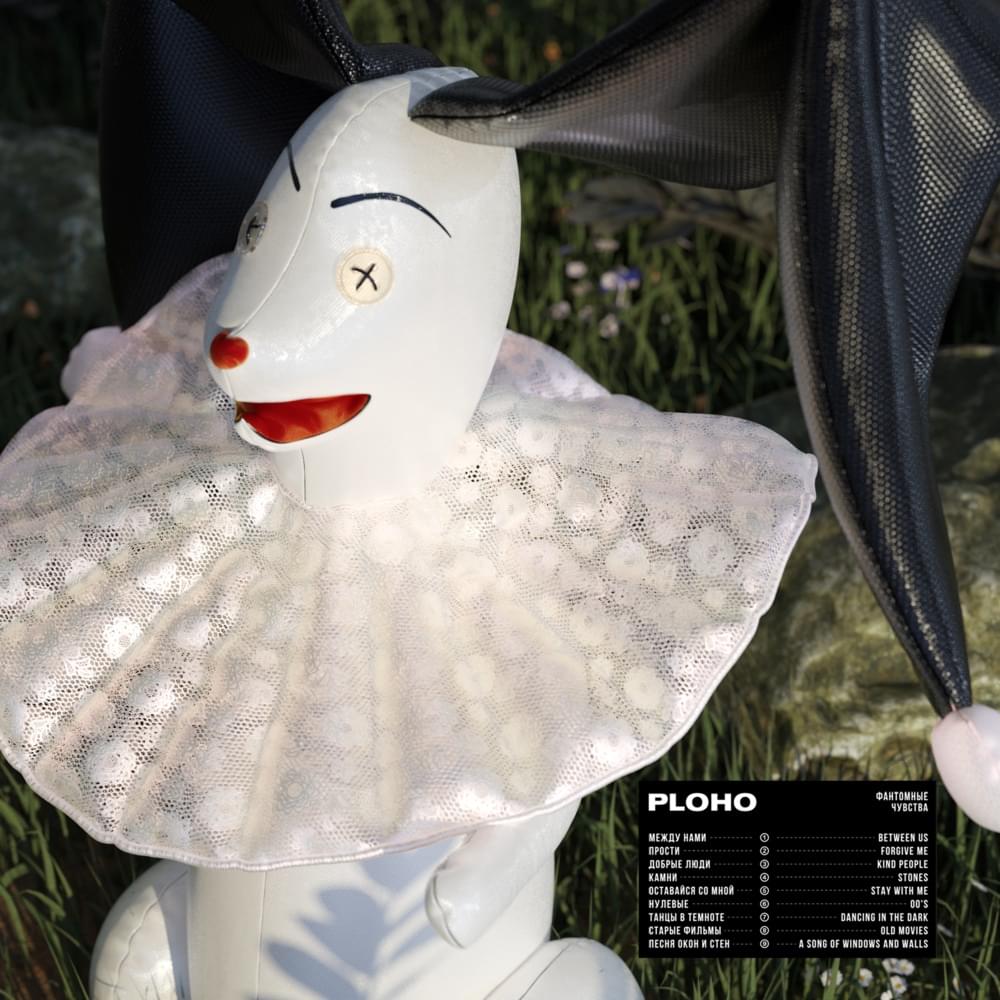
 View Artist