Song Meaning
This song captures the frustration of a relationship where one person's ego creates an insurmountable distance. The narrator expresses a desire for reciprocity, stating, "Eu só quero de você / O que você quer de mim." This plea highlights a fundamental imbalance, where the narrator is willing to let go if the connection isn't mutual, preferring loss over a hollow pretense of togetherness: "É melhor eu te perder / Do que ter você assim." The emotional core is the pain of this growing chasm, a space filled with unspoken tension and a frustrating game of push and pull.
The lyrics paint a picture of a partner who consistently plays games, creating a cycle of approach and withdrawal. The narrator recognizes this pattern, calling it "esse jogo" and warning against the danger of "brincar com fogo." This self-awareness is key; the narrator understands the destructive nature of the partner's behavior, identifying "Esse ego é muito louco" as the primary obstacle. It's this inflated sense of self that "Atrapalha tanto a gente," consuming precious time and preventing the relationship from reaching its potential.
The song's power lies in its direct, almost desperate plea for intimacy and authenticity. The narrator implores the partner to shed their defenses and embrace vulnerability: "Solta o teu cabelo e me chama / Tira o teu casaco e me ama." These images are potent, suggesting a shedding of pretense and a surrender to genuine connection. The final lines, "Apaga a luz o dia adormece," offer a tender, intimate vision of shared quietude, a stark contrast to the preceding emotional turmoil. It's this yearning for simple, unadorned closeness that makes the narrator's frustration so palpable.
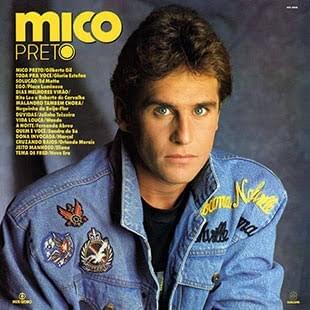
 View Artist