Song Meaning
This track paints a stark picture of relentless struggle and systemic disadvantage. The narrator details a life of hard work and constant setbacks, where every effort to succeed is met with resistance or exploitation. From being denied opportunities to facing personal betrayals, the lyrics convey a deep sense of weariness and injustice. The opening lines immediately establish a tone of arduous progress, "Eu nunca dei um jeitinho vim devagarinho penando" (I never took a shortcut, I came slowly, suffering), setting the stage for a narrative where dignity is hard-won and often unrewarded.
The central tension lies in the contrast between the narrator's earnest efforts and the harsh realities they face. While they strive for honor and work diligently, "suando a camisa / Por honra da firma" (sweating my shirt / For the company's honor), they are met with betrayal and disrespect. The line "E até minha gata dá pra todo mundo / Só não dá pra mim" (And even my cat gives herself to everyone / Just not to me) is a particularly biting image of personal exclusion and humiliation, amplifying the feeling of being universally overlooked or rejected.
The writing masterfully uses a barrage of misfortunes to build its emotional weight. The list of woes in the second verse – "o sapato furou / Acabou o cigarro meu time perdeu / Guincharam meu carro pisaram meu calo / E até a comida o cachorro comeu" (the shoe is torn / The cigarette ran out, my team lost / They towed my car, stepped on my heel / And even the dog ate the food) – creates a cascading effect of minor and major disasters. This accumulation of bad luck, coupled with the earlier mention of "parasita na ativa exportando divisa" (parasites active exporting currency), suggests a larger system of corruption and neglect that grinds down the individual.
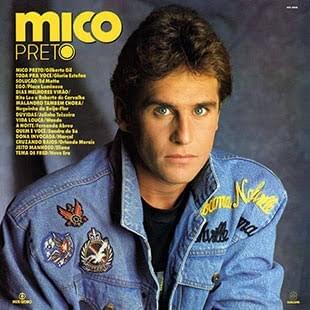
Ultimately, the lyrics resonate because they capture a specific kind of resilient defiance born from enduring hardship. The declaration "Eu sou o brasileiro" (I am the Brazilian) grounds the personal struggle in a collective identity, suggesting that these experiences are shared. The shift from "mico preto" (black tamarin monkey, often used idiomatically to mean a difficult situation or a predicament) is acknowledged and overcome, leading to a powerful, forward-looking assertion: "Mas vem aí a minha vez" (But my turn is coming). It's a testament to enduring hope and the belief in eventual vindication, even after prolonged suffering.
 View Artist