Song Meaning
This song captures the raw ache of a love that's lost but not forgotten, clinging to the memory of intense passion. The narrator grapples with the impossibility of moving on, stating, "Se és metade do meu coração" (If you are half of my heart), immediately establishing a deep, almost physical connection that makes forgetting impossible. The initial plea is for the return of warmth to combat the "frio da solidão" (cold of loneliness), painting a vivid picture of emotional desolation.
The core tension lies in the narrator's past blindness to the relationship's demise, admitting, "Quando a gente ama fica cego" (When we love, we go blind). This realization comes after the painful declaration, "Não dá mais" (It's not working anymore), which was initially met with disbelief. The subsequent passage of time, however, brought a reciprocal longing, as the other person "sentiu falta / Daquelas noites tão quentes" (missed those hot nights), suggesting a shared history of passionate intimacy that now fuels the desire for reconciliation.
The lyrics build to a powerful, almost primal, expression of mutual desire and physical connection. The rapid-fire, mirrored actions – "Me ama, eu te amo / Me arranha, eu te arranho / Me joga na cama, que eu te jogo / Também" (Love me, I love you / Scratch me, I scratch you / Throw me on the bed, I'll throw you too) – create a sense of urgent, reciprocal passion. This back-and-forth, culminating in "Me abraça, eu te abraço / Me beija, eu te beijo" (Hug me, I hug you / Kiss me, I kiss you), emphasizes a desire for complete, uninhibited reunion, driven by the belief that "A gente se ama" (We love each other).
The effectiveness of these lyrics stems from their directness and the visceral imagery of both pain and passion. The contrast between the initial cold loneliness and the recalled hot nights, coupled with the mirroring of actions, creates a compelling narrative of a love that, despite its blindness and pain, yearns for a complete, physical reconnection. The repeated question, "Como esquecer você..." (How to forget you...), bookends the song, reinforcing the enduring power of this love and the difficulty of letting go.
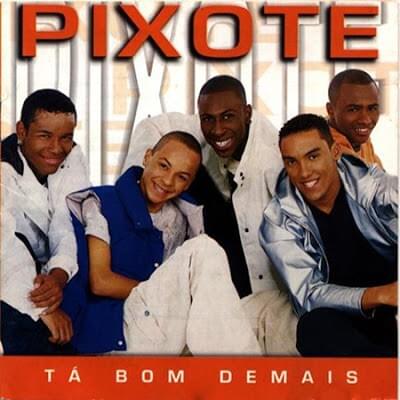
 View Artist