Song Meaning
Another year has passed, and the narrator finds themselves alone, marked by the absence of a specific person. The moon and the narrator are the only companions on a road where only unfamiliar footprints are visible. This immediate scene sets a tone of quiet melancholy and isolation, a stark contrast to any shared past.
The central tension lies in the persistent, almost involuntary memory of 'você' (you), triggered by the wind. This memory is intertwined with a profound sense of decay and aging, as the falling leaves are likened to the narrator's own state – 'mortas como eu' (dead like me). The repetition of 'você, você, você' emphasizes a desperate, searching quality, a longing for someone who remains out of reach.
The most striking craft element is the stark, almost bleak imagery used to convey emotional states. The comparison of falling leaves to the narrator's own feeling of being 'velho e acabado' (old and worn out) is particularly potent. It grounds the abstract feeling of aging and loss in a tangible, natural process, making the internal decay feel external and inevitable.
These lyrics resonate because they capture a specific, yet universally understood, feeling of time passing and love lost. The simple, direct language and the recurring motif of the wind as a memory trigger create an atmosphere of quiet resignation and enduring heartache. The narrator's internal state is laid bare through natural imagery, making their loneliness and sense of decline palpable.
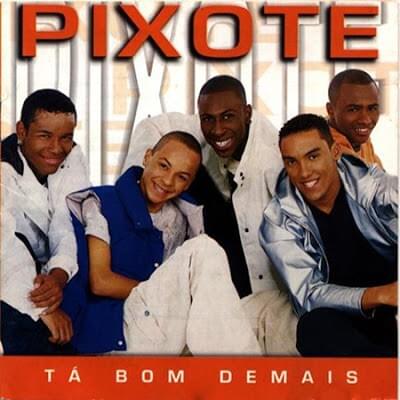
 View Artist