Song Meaning
This song paints a picture of profound, almost unconditional devotion. The narrator pledges eternal love, promising to cherish and worship their beloved forever. There's a powerful sense of unwavering commitment, even in the face of potential heartbreak, as the narrator assures their love they will never have to cry again. It's a declaration that transcends typical romantic promises, aiming for a timeless, sacred bond.
The central tension arises from a selfless, yet potentially agonizing, stance. The narrator acknowledges that their beloved might love someone else, stating, "At kung sadyang siya lang ang 'yong mahal." Despite this, they vow not to interfere and to wait patiently, as long as their beloved is happy. This creates a poignant conflict between the narrator's deep love and their willingness to endure pain for the other's joy.
The most striking aspect is the repetition of "Hanggang sa dulo ng walang hanggan" (Until the end of forever). This phrase anchors the entire sentiment, emphasizing the boundless nature of the narrator's commitment. The contrast between this eternal promise and the potential reality of unrequited love or a rival creates a deep emotional resonance. The narrator's willingness to "maghihintay" (wait) "habang ikaw ay maligaya" (while you are happy) is a powerful testament to their sacrifice.
What makes these lyrics hit so hard is the raw vulnerability and absolute selflessness they convey. The narrator isn't just offering love; they're offering a form of eternal patience and acceptance, even if it means personal suffering. The simple, direct language amplifies the sincerity of this profound, almost spiritual, pledge of devotion, making the promise of waiting "hanggang sa dulo ng walang hanggan" feel both heartbreaking and incredibly noble.
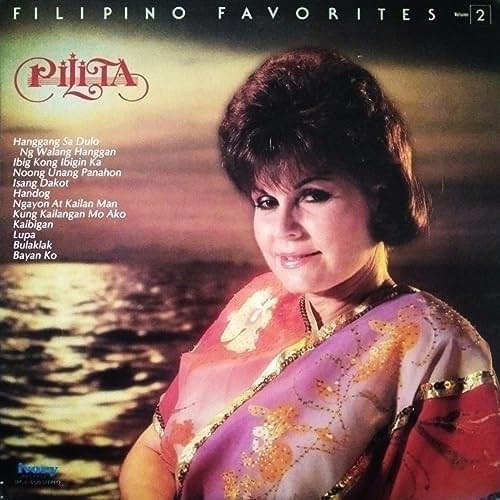
 View Artist