Song Meaning
This song paints a picture of singular, all-consuming devotion. The narrator declares their love is a once-in-a-lifetime event, a profound commitment that transcends the mundane. Yet, this intense feeling is met with a perceived misunderstanding from the beloved, who apparently believes the love isn't genuine. The narrator’s vow, "Hindi ka lilimutin magpakailan pa man" (I will never forget you as long as I live), underscores the depth of this singular affection.
The core tension lies in the narrator's suffering and the perceived indifference or disbelief of their love. They are enduring "kalungkutan" (sadness) as their life "unti-unti nang pumapanaw" (slowly fades away). This isn't just heartbreak; it's an existential crisis tied directly to the presence or absence of their beloved. The lyrics suggest a dramatic, almost fatalistic view of love, where life itself is contingent on this one relationship.
The most striking aspect is the stark contrast between the narrator's internal experience and the external perception. The narrator feels their life is ebbing away due to this love, a feeling so intense it borders on a death wish: "Wari ko ba, sinta, ako'y mamamatay" (I feel, my love, that I will die). This hyperbolic expression of devotion, repeated in the chorus, emphasizes the absolute centrality of this person to the narrator's existence, making the potential lack of reciprocated belief all the more devastating.
Ultimately, the lyrics resonate because they capture an extreme, almost desperate form of romantic commitment. The raw, unvarnished expression of pain and the life-or-death stakes attached to this singular love create a powerful emotional landscape. It’s this intensity, this feeling of one true love being the only thing that matters, that makes the narrator's plight so compelling.
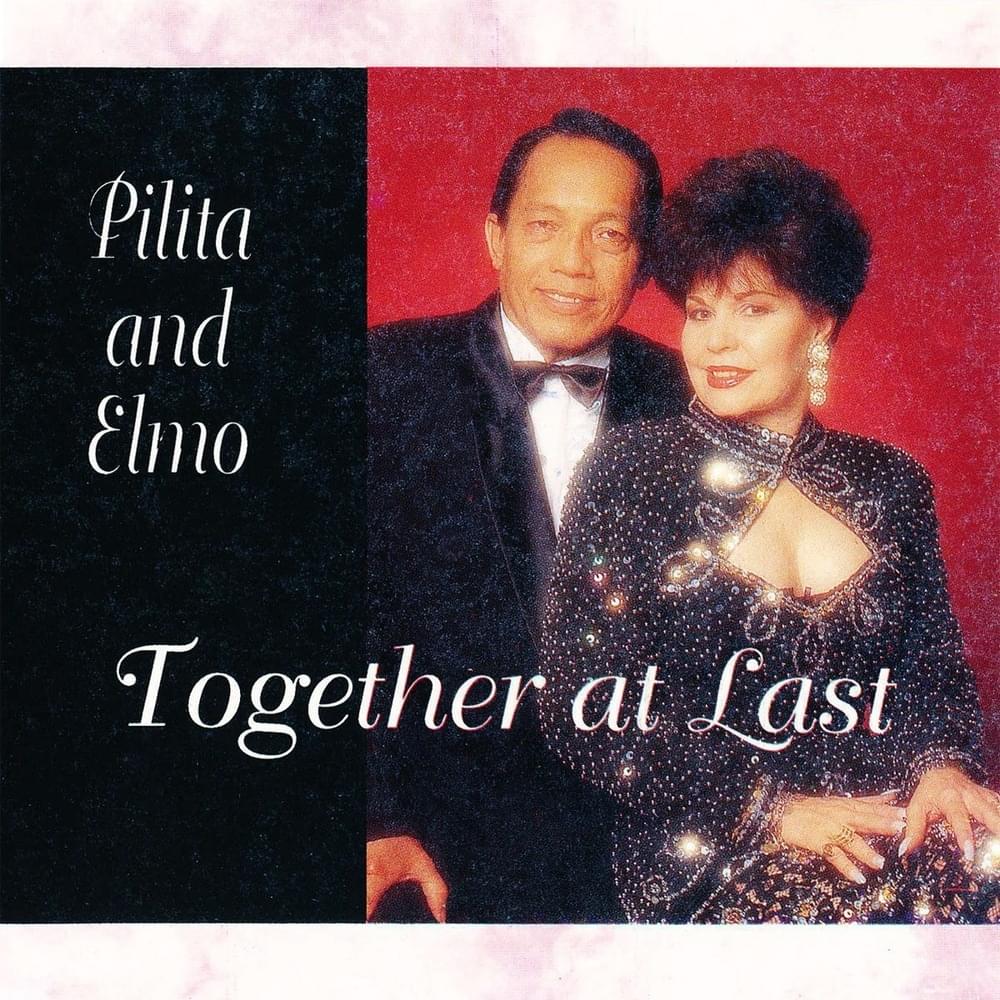
 View Artist