Song Meaning
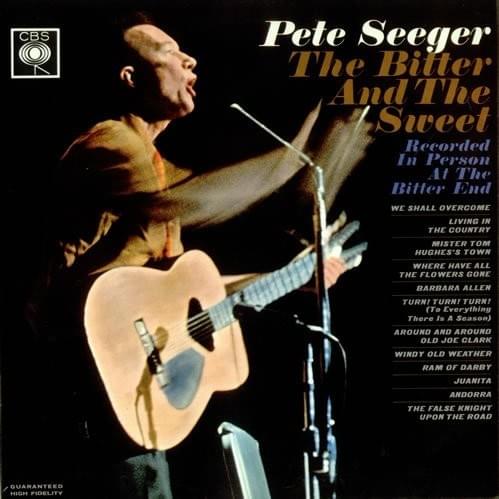
Pete Seeger's "Where Have All the Flowers Gone?" isn't just a folk tune; it's a haunting meditation on cyclical loss and the slow burn of historical amnesia. The deceptively simple lyrics, repeated with subtle yet devastating shifts, expose a pattern of transformation and disappearance. Flowers become girls, girls become wives, and young men ultimately become soldiers, each stage a consequence of the previous, propelled by time's relentless march. The 'long time passing' refrain isn't just filler; it underscores the feeling that these cycles have been repeating for generations, unseen and unheeded. The melody, almost childlike in its simplicity, sharpens the sting. This isn't a lament from the mountaintop; it's a quiet, persistent question whispered in your ear.
The song's true power lies in its final verse, the gut punch that recontextualizes everything that came before. The flowers, the girls, the wives—they all lead to the young men in uniform, a stark image of war and its insatiable appetite. It's here that the personal becomes political, transforming a seemingly innocent folk song into a powerful anti-war statement. Seeger doesn't preach; he simply presents the logical conclusion of the cycle, forcing the listener to confront the consequences of inaction. The 'where have all the flowers gone' question morphs from a nostalgic query into a desperate plea for understanding.
But the most brutal line arrives with the slight shift in the penultimate line: 'Oh, when will *we* ever learn?' The change from 'you' to 'we' implicates everyone. It's not just those in power, or the warmongers, but all of us who allow these cycles to continue. It's a call to collective responsibility, a recognition that the path to peace requires constant vigilance and a refusal to forget the lessons of the past. In this context, Pete Seeger's "Where Have All the Flowers Gone?" transcends its status as a protest anthem; it becomes a timeless warning, a reminder that the seeds of war are often sown in the quietest of moments, in the absence of memory and reflection. The song meaning, therefore, rests not just in its lyrical content, but in its enduring relevance to the human condition.
 View Artist