Song Meaning
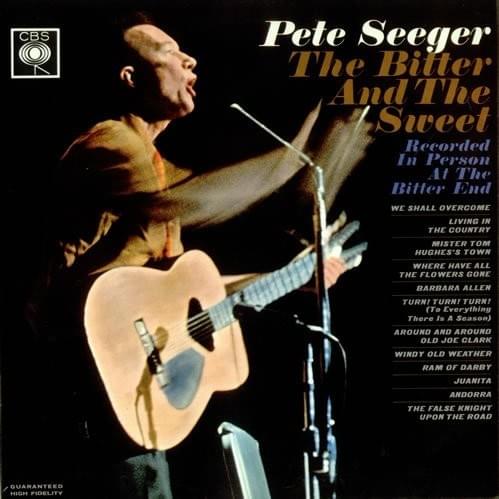
{"song_id": 14430003, "meaning": "Pete Seeger's rendition of \"Mister Tom Hughes's Town\" is less a straightforward narrative and more a haunting fragment of a life spiraling. The insistent invitation of the opening lines, \"Follow me down,\" acts as both a beckoning and a warning. It's an echo of descent, both physical and moral, pulling the listener into a world of desperation and consequence. The repetition drills the sense of inevitability into the listener's mind; there is no escape from the gravity of the situation. Shreveport, mentioned as a danger zone of vengeful women, becomes a symbol of a past life catching up, a web of relationships turned lethal.
The plea to his mother shifts the emotional landscape. It is a raw, vulnerable moment that exposes the speaker's fear and regret. The mother figure represents not just familial comfort but also the potential for absolution. The line, \"If them women in Shreveport gonna kill me / You better let me go,\" is not just a statement of fact but a desperate attempt to preempt the inevitable, to escape the consequences of his actions by seeking refuge elsewhere. The request is laced with the knowledge that he is unworthy of this protection, yet he asks nonetheless.
The final verse, collapsing into supplication – \"Fell down on my knees / Said oh Lord / And mercy mother / Won't you forgive me, please?\" – underscores the weight of guilt and the yearning for redemption. The doubling of \"mother\" with \"Lord\" collapses the sacred and the familial, hinting at a spiritual crisis intertwined with personal failings. The song's power lies in its incompleteness. It offers no resolution, no clear explanation of the events that led to this moment of crisis. Instead, it leaves us suspended in the speaker's anguish, contemplating the universal themes of accountability, forgiveness, and the inescapable pull of the past."}
 View Artist