Song Meaning
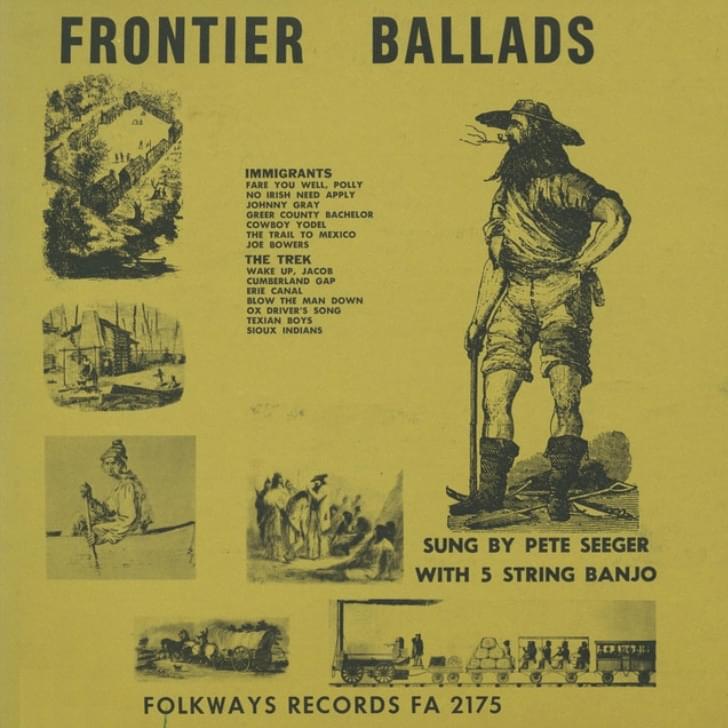
{"song_id": 14431411, "meaning": "Pete Seeger's rendition of \"When I Was Single\" isn't just a folksong; it's a stark, unvarnished portrait of domestic disillusionment. The lyrics, delivered with Seeger's signature earnestness, paint a picture of a woman trapped between the idealized freedom of her single life and the harsh realities of marriage and motherhood. The recurring lament, \"Lord, I wished I was a single girl again,\" isn't a sentimental yearning, but a raw expression of regret bordering on despair. It's a sentiment that cuts through generations, resonating with anyone who's felt the weight of responsibility crushing their former self. The song's power lies in its simplicity. There are no complex metaphors or veiled allusions, just a direct, unflinching account of a life transformed, and perhaps diminished, by societal expectations.
The juxtaposition of \"dressed in silk so fine\" and \"go ragged all the time\" is particularly telling. It's not simply about a change in wardrobe; it's a symbolic representation of the loss of personal autonomy and the relentless demands of domestic life. The shift from self-care to endless chores (\"clothes for to wash, spring to go to / When you are married there's everything to do\") highlights the overwhelming burden placed on women, particularly in the era from which the song originates. The \"everything to do\" is a psychological cage, where the mundane becomes a form of oppression.
The image of \"five little children lying in the bed / All of them so hungry they can't rise up their head\" elevates the song from a personal lament to a commentary on social inequality and the struggles of poverty. The children aren't just a symbol of maternal responsibility; they are a stark reminder of the systemic challenges faced by families lacking resources. The song meaning deepens here, touching on themes of survival, sacrifice, and the crushing weight of providing for dependents under duress. \"When I Was Single\" becomes more than just a woman's regret; it's a cry for help, a plea for recognition, and a challenge to the societal structures that perpetuate these cycles of hardship."}
 View Artist