Song Meaning
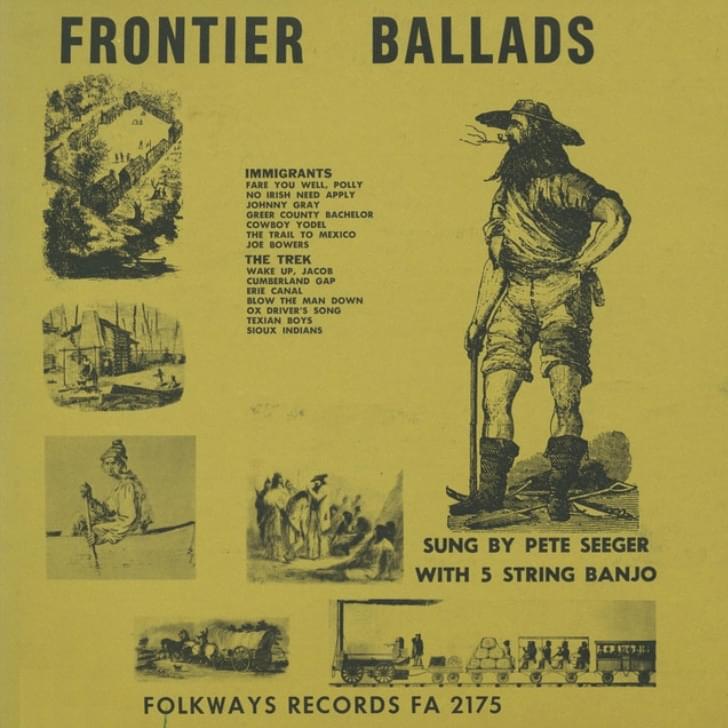
Pete Seeger's rendition of "Play Party" feels like a fragmented memory, a half-remembered tune echoing through generations. The song meaning isn't a linear narrative; instead, it presents snapshots of loss and perhaps, a forced acceptance. The 'brown jug' returning with a 'waltz-around' hints at a coping mechanism, a numbing agent employed early in the morning to face the day. It's a recurring motif, suggesting a cycle of pain and temporary solace. This points to themes of substance use to deal with hardship.
The core of the song lyrics revolves around a lost love, conveyed through the lines 'Railroad, steamboat, river and canoe / Lost my true love what shall I do.' The transportation imagery suggests a journey, a departure, and the speaker's confusion and sorrow are palpable. The refrain 'Let her go, go, go, let her go, go, go / Now she's gone on the raging canal' is particularly stark. The 'raging canal' isn't just a geographical location; it symbolizes the turbulent, uncontrollable forces that have swept the loved one away, a one-way trip down a waterway of no return. This could reference the historical reality of people leaving home to find work on the canals.
Ultimately, "Play Party" functions as an emotional puzzle. The seemingly simple lyrics belie a deeper well of pain, hinting at themes of abandonment, the struggle to let go, and the search for oblivion in the face of heartbreak. The folksy melody, juxtaposed against the melancholic lyrics analysis, creates a poignant tension, turning a seemingly lighthearted tune into a meditation on loss and resilience. The cyclical nature of the verses emphasizes the repetitive, inescapable nature of grief, where the search for solace becomes a daily ritual.
 View Artist