Song Meaning
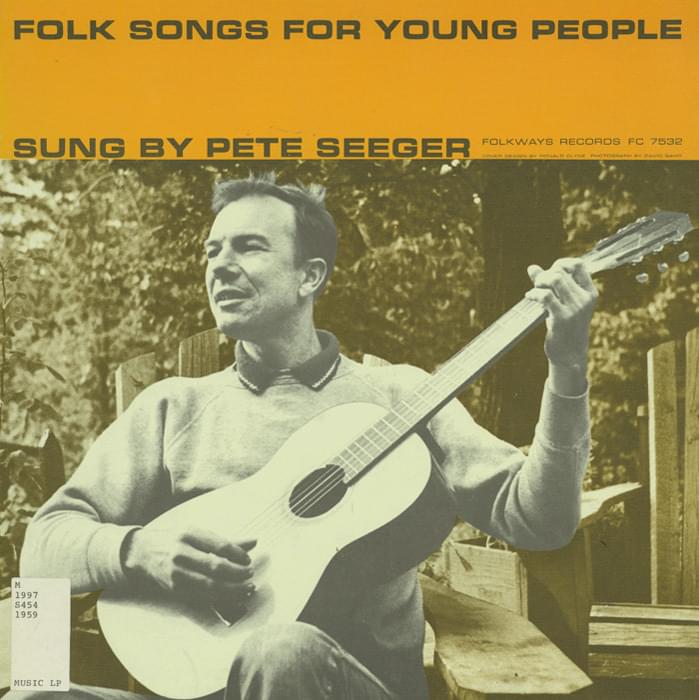
Pete Seeger's rendition of "Sometimes I Feel Like a Motherless Child" isn't just a performance; it's an embodiment of profound spiritual and emotional displacement. The song, a traditional Negro spiritual, anchors itself in the raw nerve of abandonment, repeating the phrase 'motherless child' like a mantra of sorrow. But the absence of a mother figure transcends literal loss; it speaks to a deeper yearning for belonging, for a nurturing force ripped away by the brutal realities of slavery and systemic oppression. The stark simplicity of the lyrics belies the complex web of pain, faith, and resilience woven within. It's a primal scream echoing through generations.
The phrase 'a long ways from home' amplifies this sense of alienation. Home isn't just a physical location; it represents safety, identity, and connection to one's roots. To be 'a long ways from home' is to be adrift, stripped of cultural and familial anchors. Yet, amidst this desolation, a flicker of hope ignites with the mention of 'heab'nly land.' This isn't merely escapism; it's a spiritual lifeline, a promise of solace and ultimate reunion. The 'heab'nly land' becomes a symbolic mother, a source of unconditional love and acceptance that transcends earthly suffering. The repetition reinforces the unwavering belief in a higher power that provides comfort and a sense of purpose in the face of unbearable hardship.
The addition of 'true believer' acts as a potent declaration of faith. Despite the overwhelming feelings of loneliness and being 'almost gone,' there remains an unshakeable conviction. The song's power lies in its ability to hold both the despair of the present and the hope for a future redemption in equilibrium. It's a testament to the enduring strength of the human spirit, its capacity to find solace and meaning even in the darkest of times. Seeger's interpretation, stripped down and earnest, allows the song's inherent emotional weight to resonate with a contemporary audience, reminding us of the ongoing struggle for belonging and the persistent search for spiritual home.
 View Artist