Song Meaning
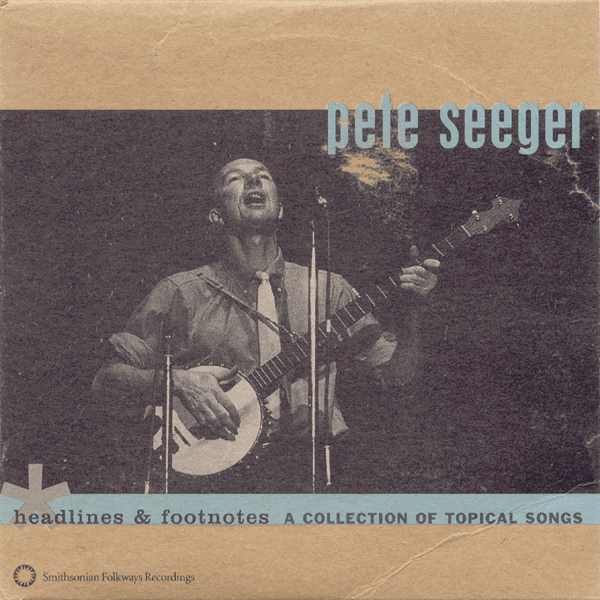
{"song_id": 14429535, "meaning": "Beneath its sing-song simplicity, Pete Seeger's rendition of \"Wimoweh\" (also known as \"The Lion Sleeps Tonight\") hums with primal anxieties. Stripped of cultural context and reduced to its core lyrical elements, the song becomes a meditation on the ever-present tension between civilization and the wild. The repetition of \"In the jungle, the mighty jungle, the lion sleeps tonight\" isn't just a lullaby; it's a mantra attempting to ward off a lurking threat. That the lion sleeps offers only temporary respite. The jungle, by implication, remains a place of untamed power, a realm where instinct and danger reign. The \"lion\" functions as a symbol of these forces, both within and outside ourselves. This interpretation gains weight from its implied contrast to the \"peaceful village.\"
The juxtaposition of the jungle and the village highlights humanity's attempt to create order and safety in a world perpetually threatened by chaos. The village is an illusion of control, a fragile construct erected against the backdrop of the wild. But the lion's proximity, sleeping \"near the village,\" suggests that the boundary is porous, that the primal can erupt at any moment. It's a Freudian slip made musical – the id slumbering close to the ego's fragile defenses.
Finally, the intimate lines, \"Hush my darling don't fear my darling, the lion sleeps tonight,\" bring the macro anxieties down to a personal level. The song becomes a lullaby, an attempt to soothe individual fears in the face of larger, existential dread. But even here, the reassurance is conditional, dependent on the lion *continuing* to sleep. The song’s power lies in this delicate balance: a surface of childlike innocence masking a deeper, more unsettling understanding of the world's inherent instability. The listener is left with the disquieting sense that the jungle, and the lion within, are never truly far away."}
 View Artist