Song Meaning
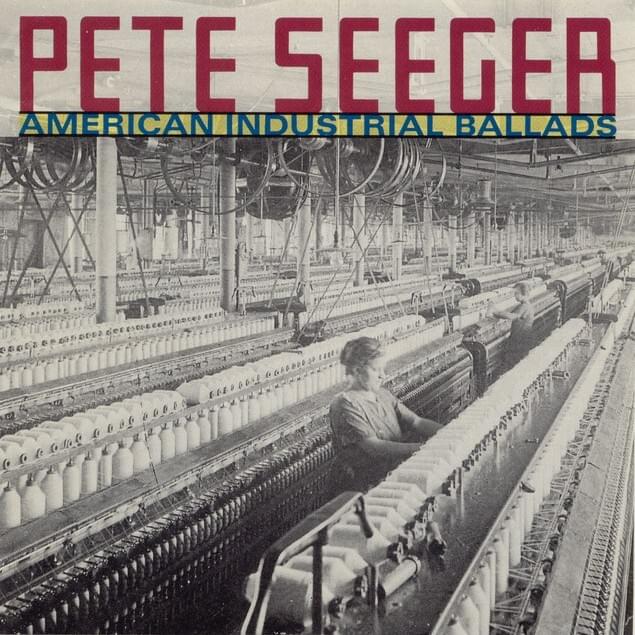
{"song_id": 14429741, "meaning": "Pete Seeger's \"Mill Mother's Lament\" isn't just a song; it's a stark, unflinching portrait of poverty and desperation passed down through generations. Stripped bare of romanticism, the lyrics paint a visceral picture of working-class mothers caught in a relentless cycle of exploitation. Each verse is a hammer blow, driving home the brutal reality of choosing between food and footwear, of sacrificing everything for children who are perpetually denied even the most basic necessities. The mother's lament isn't just about material deprivation; it's about the agonizing emotional toll of failing to provide, the soul-crushing weight of knowing that your children are suffering because of systemic injustice.
The song's power lies in its directness and its unwavering focus on the human cost of unchecked capitalism. There's no room for ambiguity or metaphor here; Seeger lays bare the raw, unvarnished truth of the mill worker's existence. Phrases like \"slave for the bosses\" and \"wages are too low\" aren't just complaints; they're indictments of a system that prioritizes profit over human dignity. The children's simple plea for shoes becomes a symbol of everything that's denied to the working class, a constant reminder of the chasm between what they deserve and what they receive.
But \"Mill Mother's Lament\" isn't solely a dirge of despair. The final verse offers a glimmer of hope, a call to collective action. The union, though feared by the bosses, represents a potential path toward empowerment and change. It's a recognition that individual suffering can be transformed into collective strength, that the only way to break the cycle of poverty and exploitation is to stand together and demand a better future. The song's enduring resonance lies in its ability to tap into the primal emotions of love, loss, and the unwavering determination to create a more just world for future generations."}
 View Artist