Song Meaning
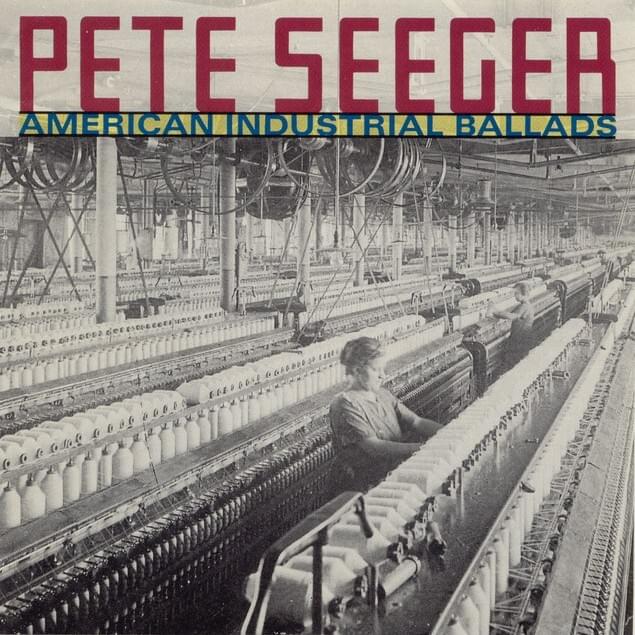
{"song_id": 14429742, "meaning": "Pete Seeger's \"Cotton Mill Colic\" isn't just a song; it's a primal scream against economic suffocation. The track, stark and unvarnished, lays bare the brutal realities of working-class existence, specifically within the soul-crushing confines of the cotton mill. The cyclical nature of poverty is the song's central theme, where back-breaking labor yields nothing but perpetual debt and a gnawing hunger. It's a system designed, as the lyrics pointedly suggest, to keep the poor subservient while the rich thrive. The 'easy terms' on clothes that turn into instruments of humiliation, the endless cycle of rent and near-starvation – it’s a portrait of systemic oppression.
The true genius of \"Cotton Mill Colic\" lies in its stark simplicity. Seeger doesn't resort to complex metaphors or flowery language. Instead, he delivers the message with the blunt force of lived experience. The repeated refrain, \"I'm a-gonna starve and everybody will / 'Cause you can't make a livin' in a cotton mill,\" is not just a lament; it's a prophecy, a warning, and a call to action rolled into one. It speaks to the shared plight of the workers, fostering a sense of solidarity in the face of overwhelming odds. The song acknowledges the psychological toll exacted by this economic trap. The 'measly worm' treatment from creditors grinds down the spirit, creating a sense of hopelessness that's as damaging as the empty belly.
Ultimately, \"Cotton Mill Colic's\" song meaning transcends its historical context. While rooted in the specific struggles of mill workers, its themes of economic inequality and the dehumanizing effects of poverty resonate deeply today. The lyric, \"Ashes to ashes and dust to dust / Let the rich man live and the poor man bust,\" distills the song's cynical yet realistic worldview. It's a timeless anthem for anyone who has felt the squeeze of a system rigged against them, a reminder that the fight for economic justice is an ongoing battle. Seeger's haunting melody and direct lyrics transform a simple folk song into a powerful statement of social commentary."}
 View Artist