Song Meaning
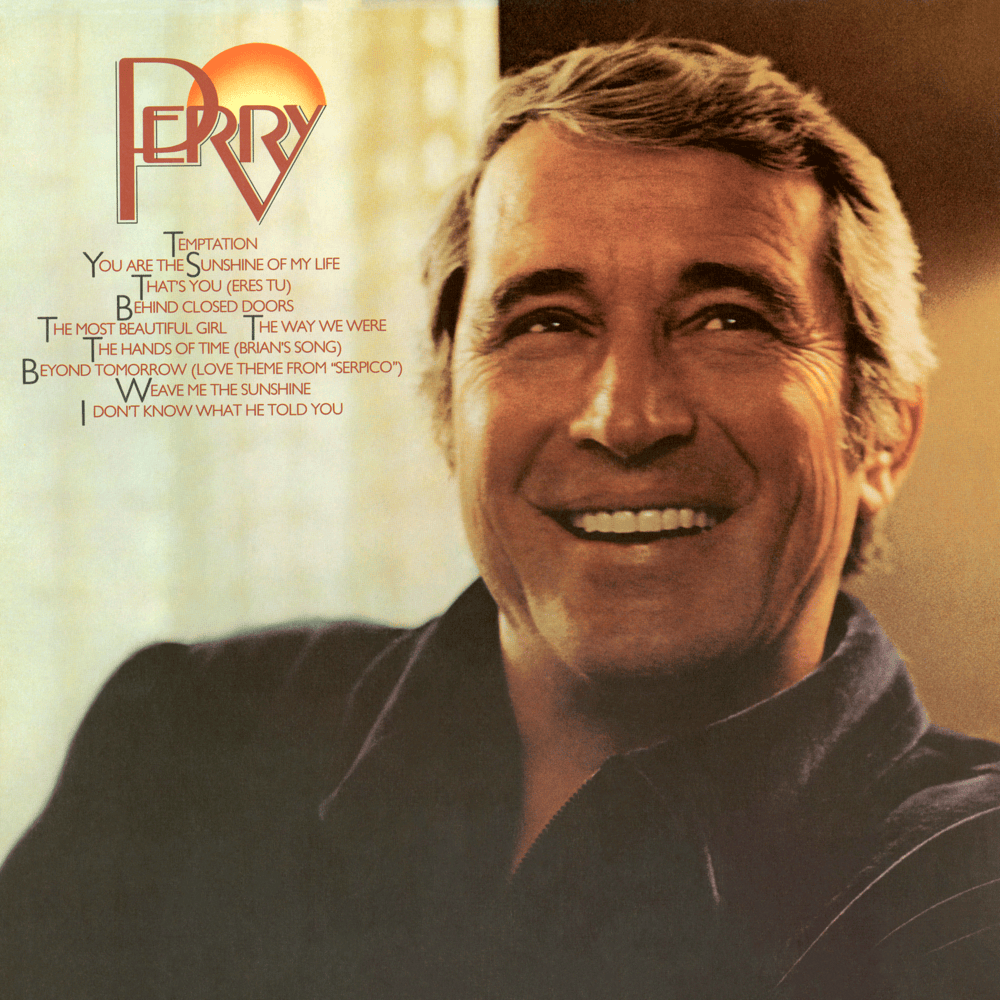
Perry Como's "The Way We Were" isn't just a sentimental ballad; it's a masterclass in the selective amnesia of nostalgia. The opening lines paint a gauzy picture, "Misty, water-coloured, memories," immediately establishing a sense of distance and romanticized recollection. But beneath the surface of this seemingly simple reminiscence lies a more complex understanding of how we curate our past. The song subtly acknowledges the inherent unreliability of memory, how time isn't just a passive observer but an active re-writer of our personal narratives. It’s a universal truth, that the past is never truly as it seems in retrospect.
The core of the song grapples with the central question of whether the past was genuinely simpler or if that's merely a comforting illusion. This uncertainty is compounded by the poignant question: "If we had the chance to do it all again, tell me, would we, could we?" The lyrics don't offer easy answers, instead highlighting the irresolvable tension between the desire to recapture a lost connection and the awareness that such a return might be impossible, or even undesirable. There is a deep sense of longing, not just for the relationship itself, but for a perceived state of innocence and uncomplicated joy.
Ultimately, "The Way We Were" confronts the darker side of nostalgia: the deliberate act of forgetting. "What's too painful to remember, we simply choose to forget," Como croons, laying bare the psychological mechanism by which we protect ourselves from past hurts. The song’s power resides in its acknowledgement that the "way we were" is as much a product of conscious construction as it is of genuine recollection. It's not about historical accuracy, but about emotional survival. The laughter remembered becomes a shield against the pain, a carefully constructed narrative that allows us to carry on. The song lands as a bittersweet meditation on love, loss, and the stories we tell ourselves to make sense of it all.
 View Artist