Song Meaning
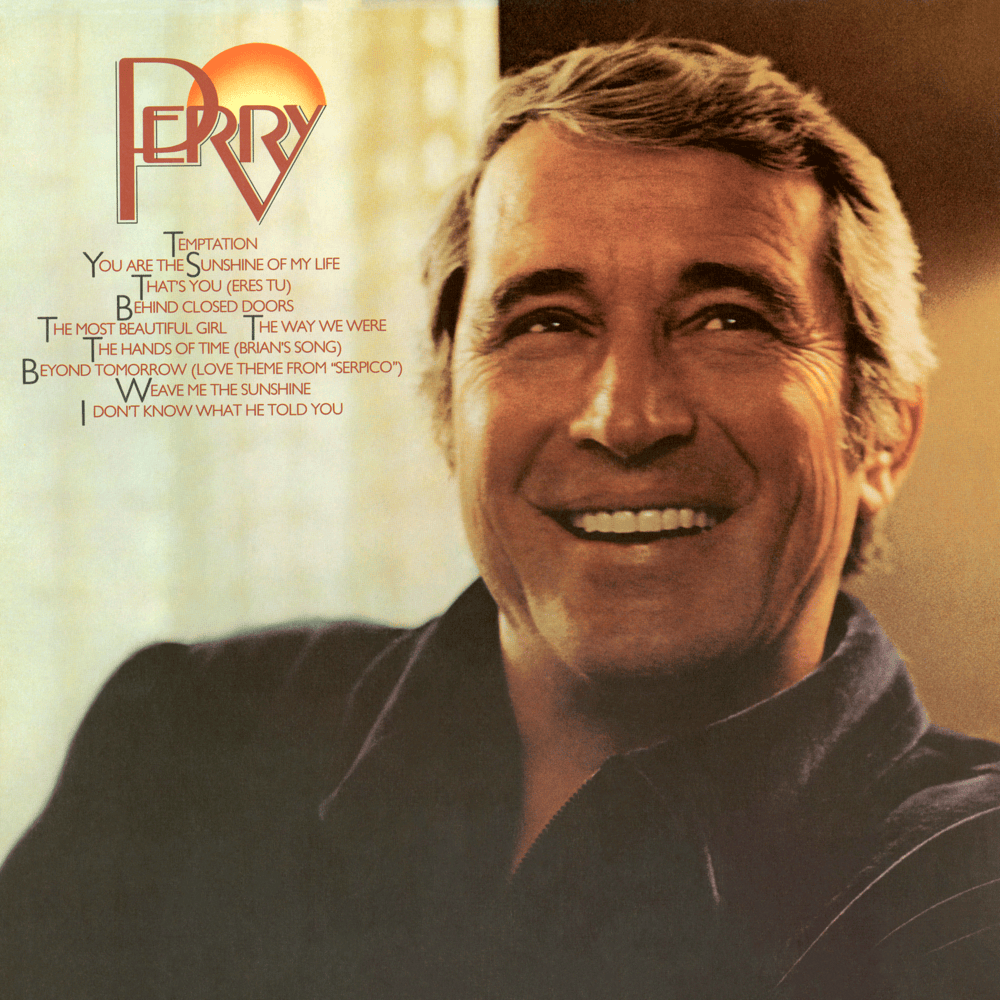
Perry Como's "The Hands of Time" isn't just a sentimental ballad; it's a wistful exploration of memory, loss, and the human desire to control the uncontrollable. The very premise – personifying time and imagining it as something tangible – speaks to our deep-seated anxiety about impermanence. Como isn't simply wishing for more happy moments; he's grappling with the painful reality that joy is fleeting, and even the most cherished memories fade with time. The opening lines, "If the hands of time were hands that I could hold," immediately establishes this yearning for control, a desire to physically grasp and preserve the moments that define us. It suggests a fear of oblivion, a fear that the past, and therefore a part of ourselves, will disappear.
The lyrical imagery is deceptively simple, evoking universal experiences of joy and comfort. The "summer from the top of a swing," the "comfort and the sound of a lullaby," and "the innocence of leaves in the spring" are all potent symbols of carefree innocence and uncomplicated happiness. But the recurring line, "But most of the moment when love first touched me!" elevates romantic love to the pinnacle of these cherished experiences. It's the primal human desire for connection, the moment when we feel most alive and most vulnerable, that Como seeks to preserve above all else. The song acknowledges that time, ultimately, dictates the terms of our happiness.
That underlying sadness is central to the song meaning. The lines "All the happy days would never learn to fly / Until the hands of time would choose to wave good-bye!" highlight the bittersweet truth that all good things must come to an end. It's not merely an observation of mortality but a lament for the loss of innocence and the inevitable passage of time. "The Hands of Time" isn't just a romantic ballad; it's a meditation on the human condition, a recognition of our powerlessness against the relentless march of time and a poignant reminder to cherish the moments we have, however fleeting they may be. It reminds us of the psychological weight of time's passage and the constant negotiation between memory and the present.
 View Artist