Song Meaning
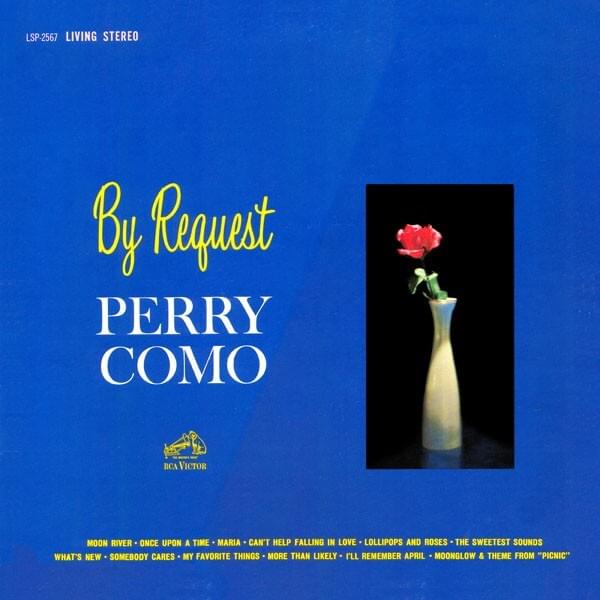
Perry Como's "Once Upon a Time" isn't just a sentimental ballad; it's a poignant reflection on the psychological weight of memory and the irretrievable nature of the past. The recurring phrase, "once upon a time," acts as both a fairytale beginning and a melancholic end, framing a love that existed in a seemingly perfect, yet ultimately transient, state. Como isn't simply recalling happy moments; he's grappling with the emotional distance between that idyllic past and the present reality.
The lyrics paint a picture of youthful love and carefree days – moonlight in her eyes, willow trees, counting stars. These images aren't just romantic clichés; they represent a specific emotional landscape of innocence and boundless possibility. The repetition of "but that was once upon a time" underscores the loss of that landscape. The missing willow tree becomes a potent symbol of change and the decay of shared experiences. It's a stark acknowledgement that time doesn't just pass; it actively erodes the physical and emotional markers of our past.
The bridge, with its wistful questions ("Where did it go?"), exposes the core of the song's meaning. It's not just about remembering a lost love, but about understanding how experiences shape our perception of time and self. The realization that "somehow, once upon a time / Never comes again!" is a mature acceptance of life's impermanence, a recognition that the sweetness of the past is often amplified by the bittersweet knowledge that it can never be replicated. "Once Upon a Time" explores the bittersweet ache of nostalgia and the psychological process of reconciling with the irreversible flow of time.
 View Artist