Song Meaning
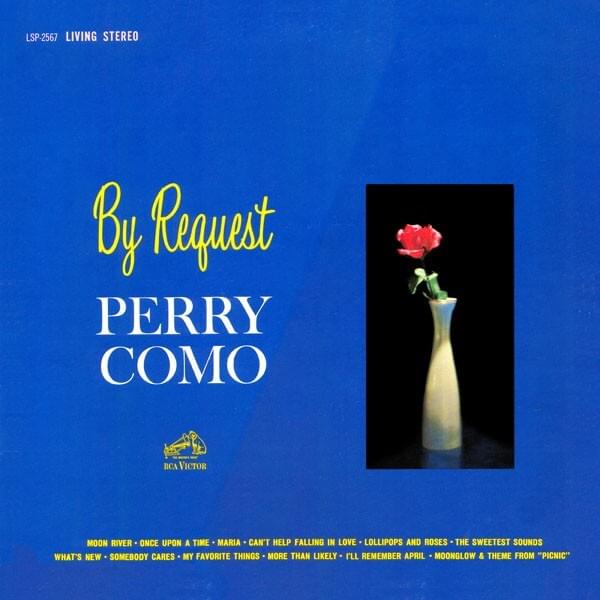
Perry Como's "More Than Likely" is a masterclass in romantic fatalism, a lyrical tightrope walk between hope and impending heartbreak. The song’s core resides in that agonizing space where infatuation clashes head-on with a clear-eyed understanding of probable disappointment. It's a sentiment many listeners will recognize: the intoxicating pull of new love tinged with the nagging suspicion that it's all too good to be true. Como doesn’t shy away from this paradox; he embraces it. The repeated phrase "more than likely" acts as both an affirmation of his growing feelings and a pre-emptive shield against the inevitable crash. He's willingly walking into a situation where he anticipates being led on, falling hard, and chasing illusions ("I'll hear the music where there's no music at all!").
The beauty of "More Than Likely" lies in its vulnerability. There's a self-aware quality to the lyrics that elevates it beyond a simple love song. He acknowledges the potential absurdity of his actions – reaching for the stars, knowing they’re probably unattainable. This isn't blind optimism; it's a conscious choice to prioritize the experience of love, even if it leads to pain. The narrator is not naive; he understands the power dynamic at play, recognizing the other person's potential to make unreasonable demands ("you'll ask for the stars"). Yet, he remains captivated, willingly offering devotion despite the risk.
Ultimately, "More Than Likely" explores the internal conflict between self-preservation and the intoxicating allure of love. The lines "My heart tells me to run away / But that's not so easy to do!" perfectly encapsulate this struggle. The rational mind screams caution, while the heart, fueled by infatuation, overrides all logic. This tension, familiar to anyone who has experienced the head-over-heels rush of new romance, is what makes the song so resonant. It’s a bittersweet exploration of the human tendency to surrender to the possibility of love, even when the odds are stacked against us. The song meaning rests in that precarious balance between hope and realistic apprehension, a place where many romances begin and sometimes, tragically, end.
 View Artist