Song Meaning
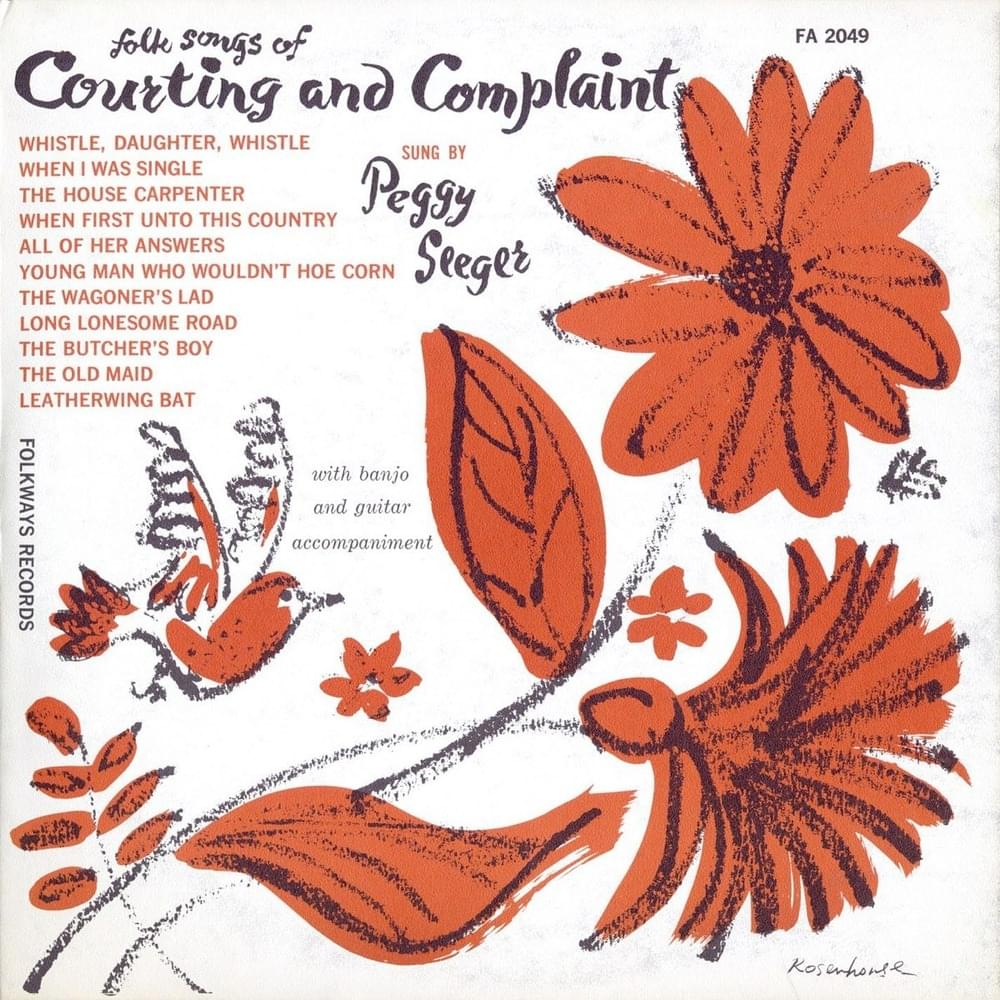
Peggy Seeger's rendition of "When First Unto This Country a Stranger I Came" is a stark, affecting ballad that burrows deep into the listener's psyche. This isn't just a folk song; it's a primal scream disguised as a simple narrative. The song meaning hinges on the crushing weight of unrequited love, compounded by societal injustice and the loss of personal identity. The initial verses present a familiar trope: the lovelorn traveler seeking affection. But the repetition of riding "both day and night" carries a mounting desperation. The spurned suitor's pursuit of Nancy becomes an all-consuming obsession, blinding him to the dangers lurking around him. His status as a "stranger" immediately marks him as an outsider, vulnerable to suspicion and persecution. It is the feeling of being an outsider and a stranger that the singer is trying to highlight in this tragic tale.
The shift from romantic pursuit to brutal imprisonment is jarring, highlighting the capriciousness of fate and the abuse of power. The ambiguous mention of a "stallion both white looking and gray" possibly symbolizes authority, or perhaps even Nancy's existing suitor, ultimately leading to his downfall. The sheriff's swift action and the subsequent incarceration underscore the stranger's lack of agency within this new, hostile environment. The description of his treatment within the penitentiary is visceral and dehumanizing: his head shaved, his chin cleared, beaten, and fed meager rations. These acts strip him of his individuality, reducing him to a mere number within the system. The lyrics expose the cruelty inflicted upon those deemed undesirable or different.
The final verses offer a glimmer of defiance amidst the despair. The image of the singer with "hands in my pockets, my cap set on so bold, and my coat of all colors, like Jacob's of old" suggests a reclamation of self, even within the confines of imprisonment. The reference to Jacob's coat, a symbol of favoritism and individuality, is particularly poignant. It's a defiant act of self-assertion, a refusal to be completely broken by the system. However, the concluding repetition of the opening lines underscores the cyclical nature of his suffering. He remains a stranger, forever marked by his initial rejection and the subsequent injustices he endured. The song, therefore, resonates as a timeless lament for the marginalized, a stark reminder of the human cost of prejudice and the enduring power of the human spirit to resist even in the face of utter despair.
 View Artist