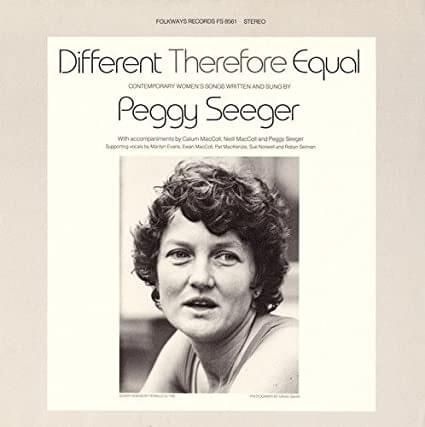
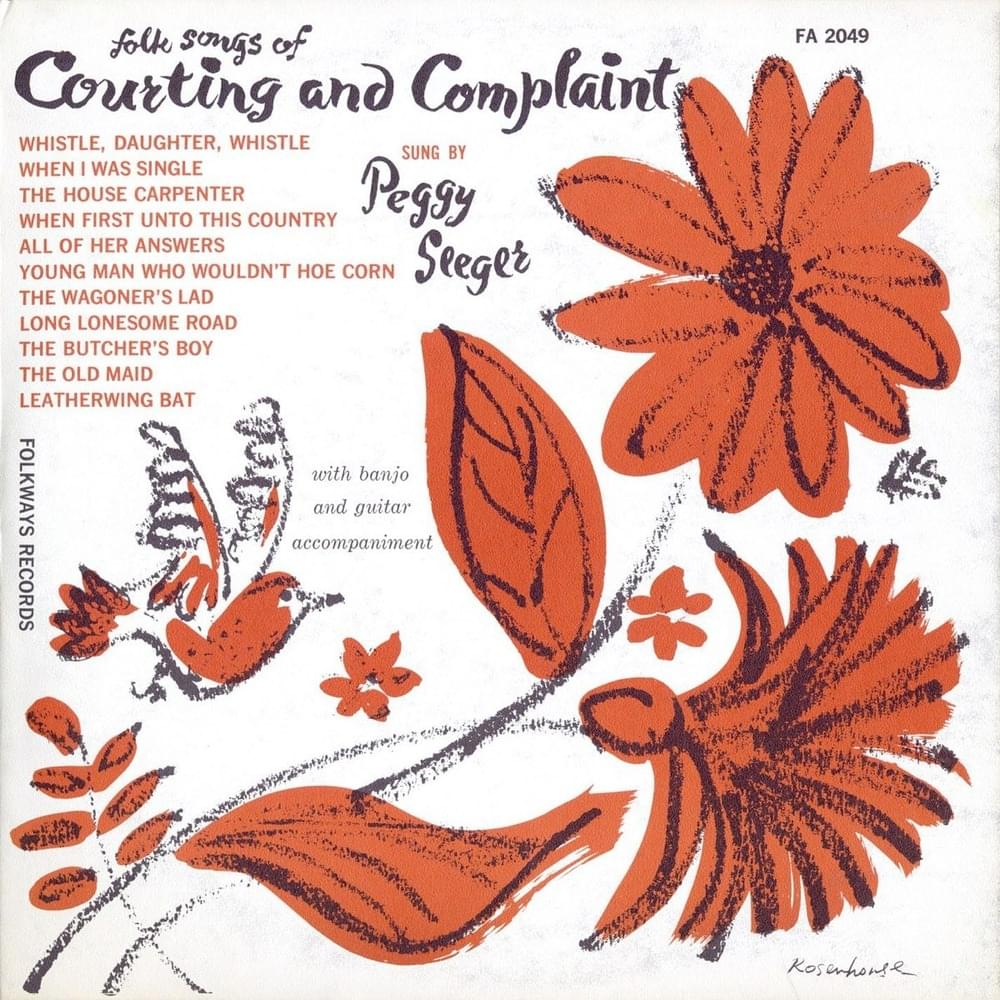
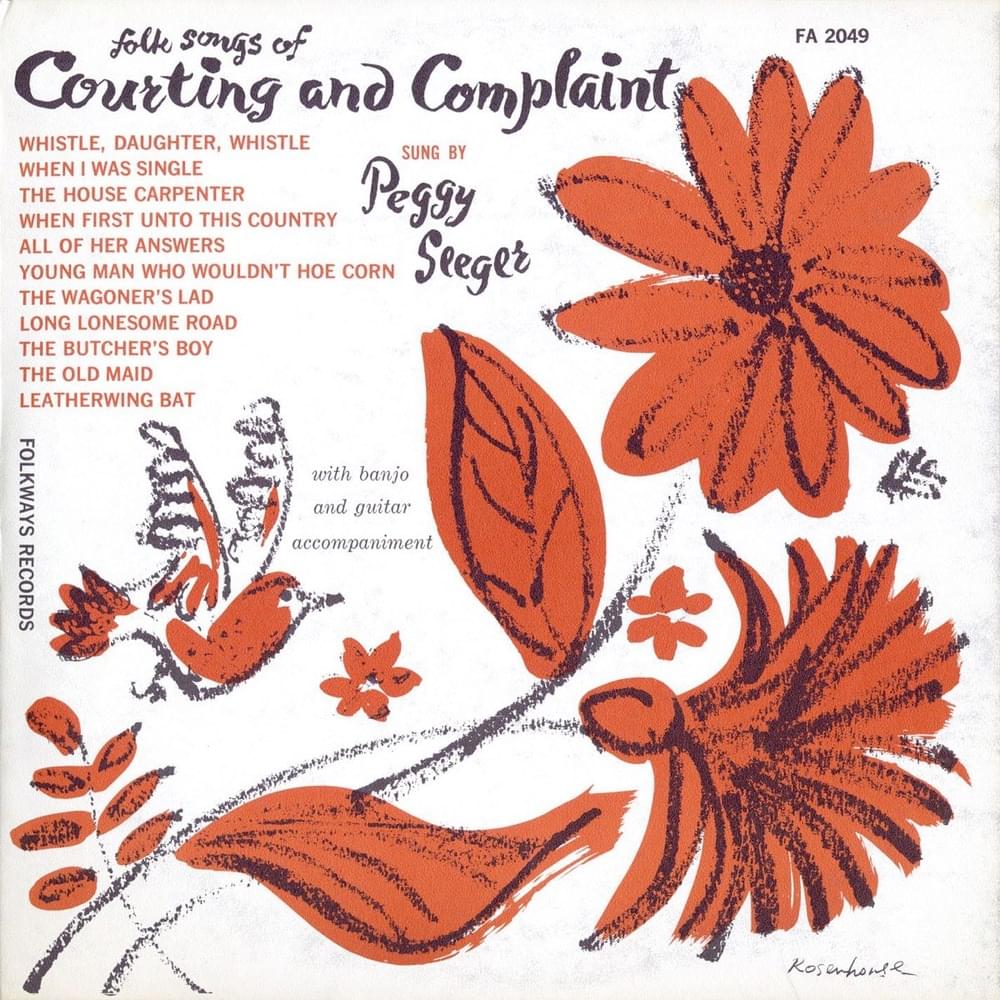
Peggy Seeger, a name synonymous with folk music revival and unwavering social activism, has carved a distinctive path through the musical landscape. Born into a family deeply rooted in American folk traditions – her mother was a classical violinist and her father, Charles Seeger, a renowned musicologist – Peggy's upbringing was steeped in music and progressive thought. Her siblings included Pete Seeger, a towering figure in the folk movement, further solidifying her connection to the genre's power and potential for social commentary.
Peggy's musical journey began early, mastering the piano and banjo before exploring other instruments. Her distinctive voice, both powerful and nuanced, became her signature, carrying messages of peace, equality, and social justice. Her songwriting often tackles complex and challenging themes, earning her a reputation as a fearless and insightful artist. The song Reclaim the night exemplifies this, speaking to feminist issues with raw honesty and unwavering conviction. While often associated with traditional folk, Peggy's music also incorporates elements of pop and contemporary styles, reflecting her evolving musical interests and willingness to experiment.
In the 1950s, Peggy Seeger moved to England, where she became a central figure in the British folk revival. Her collaboration with Ewan MacColl, a prominent Scottish folk singer and songwriter, proved to be a pivotal moment in her career and personal life. Together, they championed traditional music and created a vast body of original songs, many of which became anthems of the burgeoning protest movement. Their partnership, both musical and romantic, lasted for decades and produced a significant body of work.
Beyond her musical contributions, Peggy Seeger has consistently used her platform to advocate for social change. Her songs often address issues such as gender equality, environmental protection, and anti-war sentiment. The poignant storytelling in Dear Companion showcases her ability to connect with listeners on a deeply emotional level, while also prompting reflection on important social issues. She has also been a vocal advocate for LGBTQ+ rights. Seeger's exploration of personal relationships is evident in tracks like Generous Lover, which provides an intimate glimpse into the complexities of modern love. Her powerful rendition of Girl of Constant Sorrow demonstrates her ability to breathe new life into traditional folk songs, highlighting their timeless relevance. Even a seemingly simple song like Nine Month Blues tackles themes of motherhood and societal expectations with a characteristic blend of wit and insight. Peggy Seeger continues to tour and record, inspiring audiences with her music and unwavering commitment to social justice. Her legacy as a pioneering figure in folk music and a powerful voice for change remains firmly intact.