Song Meaning
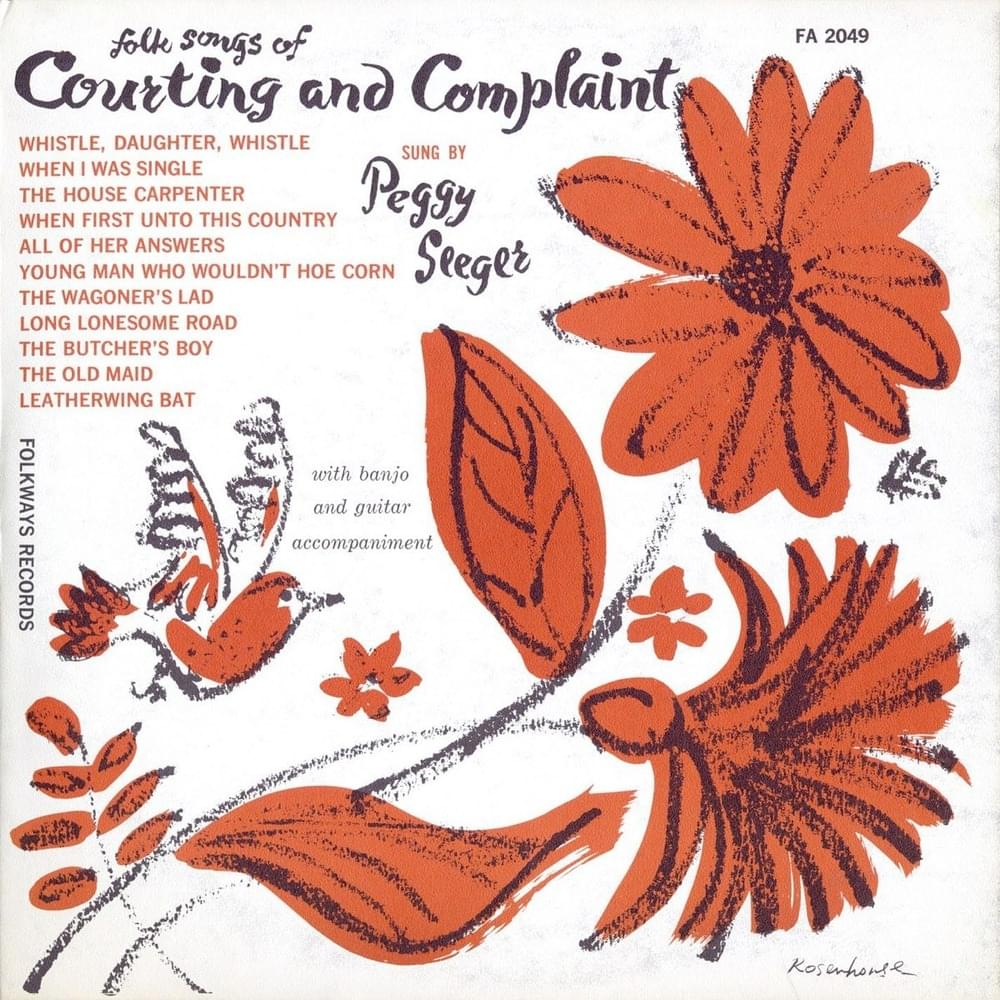
Peggy Seeger's rendition of "The Butcher's Boy" isn't just a folk song; it's a stark psychological portrait of abandonment and despair. The narrative unfolds with chilling simplicity: a young woman, driven to suicide by a lover's betrayal. The power of the song resides not in its elaborate storytelling, but in the raw emotional core it lays bare. The girl's descent begins with a quiet withdrawal, signaled by her silence towards her mother. This sets the stage for a tale of emotional isolation. The lyrics hint at a deep-seated insecurity, a fear of inadequacy that festers as the railroad boy's affections turn elsewhere. It is not merely rejection, but the perceived flaunting of another woman that pushes her over the edge.
The mother's attempt to understand, and the father's too-late gesture of hope, only amplify the tragedy. They represent a failure of communication, a generational gap perhaps, or simply a blindness to the depths of their daughter's suffering. The discovery of her body becomes a brutal moment of realization, a catastrophic breakdown in the family structure. The note found on her person transforms the suicide into a deliberate act of communication, a final attempt to control the narrative of her life. The request for a specific grave marker – wide, deep, with a marble slab and a snow-white dove – speaks to a desire for remembrance, but also a warning to others.
Ultimately, "The Butcher's Boy" is a cautionary tale about the destructive power of unrequited love and the fragility of the human psyche. The song's enduring appeal lies in its unflinching portrayal of emotional pain, reminding us of the potential for despair when love and belonging are denied. The stark imagery, combined with Seeger's haunting delivery, ensures that the song's message—a warning about the perils of unchecked emotional turmoil—resonates long after the final note fades.
 View Artist