Song Meaning
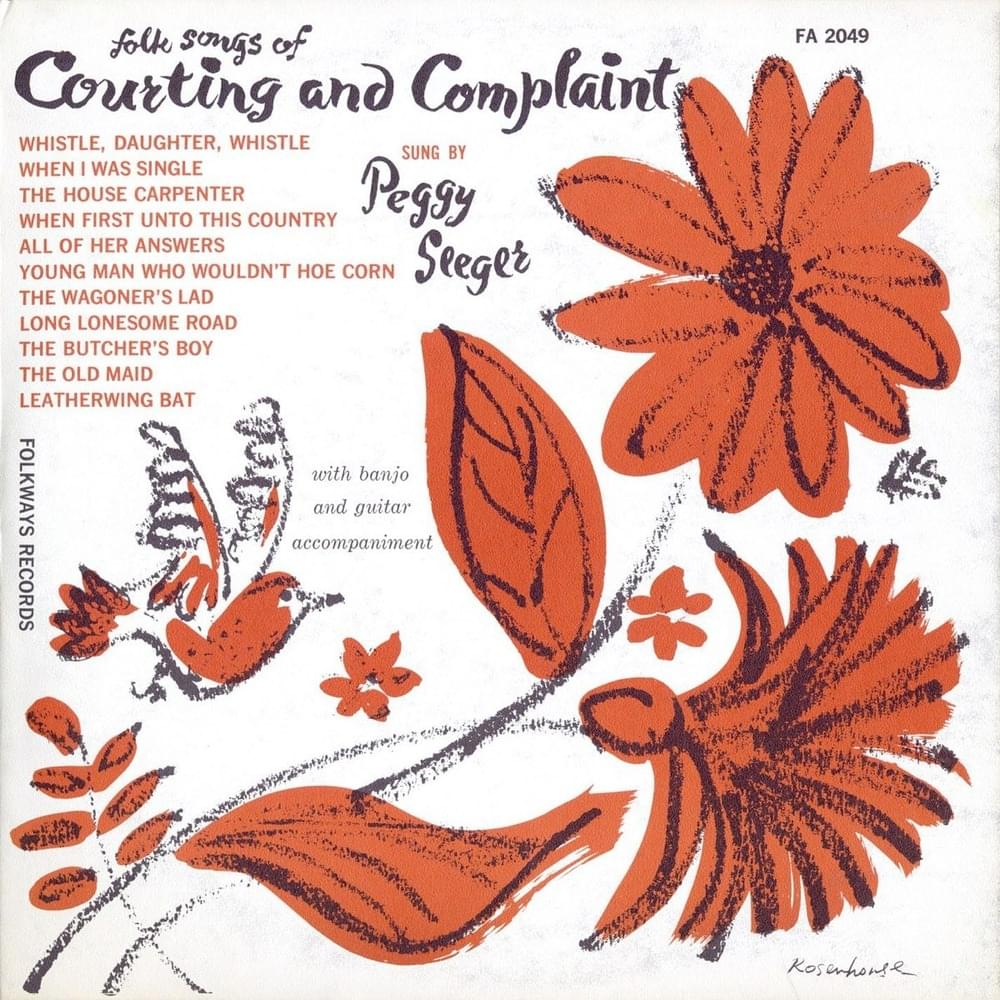
Peggy Seeger's rendition of "Long Lonesome Road" isn't just a lament; it's a stark, spiritual autopsy of a relationship poisoned by betrayal and societal constraints. The opening lines, a repetitive, almost hypnotic invocation to look "up and down that long lonesome road," immediately establish a sense of isolation and relentless journeying – both physical and emotional. The image of hanging one's head and crying speaks to a profound despair, amplified by the repeated plea to "my lord," suggesting a search for solace in a higher power when earthly comforts have failed. This isn't mere sadness; it's existential grief.
The lyrics progress from general sorrow to specific grievances, painting a picture of a woman trapped in a cycle of poverty and emotional abuse. The lines about "eatin' this cold corn bread / Or soppin' this salty gravy" aren't just about culinary hardship; they symbolize the bitterness and lack of nourishment in her life, a direct consequence of the choices, or lack thereof, available to her. The repeated accusation that "You have caused me to weep, you've caused me to mourn / You've caused me to leave my home" points to a deep sense of displacement, both physically and psychologically. The betrayal goes deeper than just a broken heart; it's a violation of trust, a theft of her sense of belonging.
The song meaning pivots on the desire for a confidant, someone to "tell all my secrets to," highlighting the crushing weight of secrets exposed by a deceitful partner. This yearning for genuine connection stands in stark contrast to the reality of a relationship built on lies and gossip. The warning to her partner to "quit them rough rowdy ways" foreshadows a grim future, hinting at the consequences of his actions, both for himself and for her. Ultimately, "Long Lonesome Road" circles back to its opening theme of solitude and inevitable departure. The final lines, "Where all our friends have gone, my love / And you and I must go," underscore the transient nature of life and relationships, suggesting that even in companionship, we are ultimately alone on our individual journeys. It's a sobering meditation on love, loss, and the enduring power of the human spirit to confront hardship.
 View Artist