Song Meaning
The narrator pleads with their love not to leave, framing themselves as a lost child in a constantly spinning, overwhelming world. This dependence is stark: "I have fear of this world / Without you." The core emotional plea hinges on this profound vulnerability, suggesting a world that feels too chaotic and frightening to navigate alone. The repetition of "mon amour" and the direct address underscore the intensity of this reliance.
The central tension arises from the narrator's fear of change and the perceived indifference of the world. They explicitly state, "I don't want all these changes," and express a fear of the world without their beloved. This isn't just about separation; it's about the loss of a stabilizing force against a disorienting reality. The phrase "a world that always turns" highlights a sense of relentless, uncontrollable motion that the narrator cannot face solo.
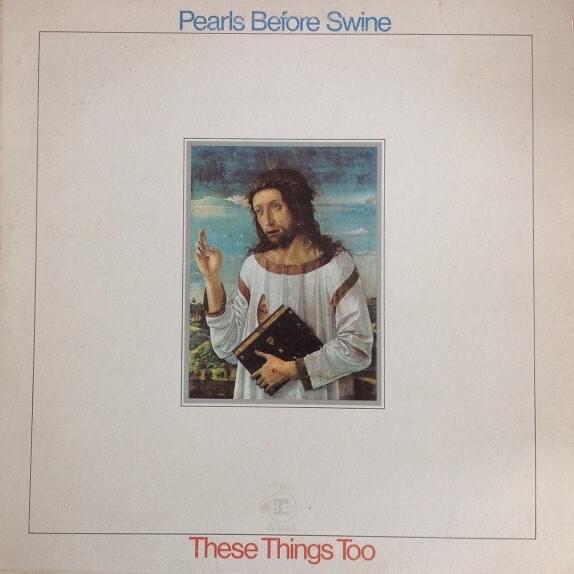
A striking image emerges with the line, "Don't throw pearls before pigs." This biblical allusion suggests the narrator feels their love or perhaps their own value is being misunderstood or wasted. They fear that their partner might discard something precious, leading to a mutual fear of this "game that always turns." The implication is that if the partner doesn't appreciate what's offered, they too will be left with something they don't want, caught in the same disorienting cycle.
This lyrical plea is effective because it grounds its desperation in concrete, relatable anxieties: the fear of being lost, the dread of change, and the pain of feeling unappreciated. The narrator's childlike vulnerability, coupled with the stark warning of wasted value, creates a powerful emotional appeal. It’s a raw expression of needing a specific person to anchor oneself against a world that feels too big and too fast.
 View Artist