Song Meaning
The lyrics present a fable about a Persian king seeking a universally true phrase. He tasks three wise men with finding words that hold meaning on every occasion. This sets up a quest for ultimate wisdom, framed by the king's desire for constant, unchanging truth from his throne.
The core tension lies in the contrast between the king's desire for permanence and the nature of reality. He wants words that are 'always true,' implying a static, eternal wisdom. However, the wise men's eventual answer directly challenges this by pointing to the impermanence of all things.
The most striking element is the cyclical nature of the imagery: "Illusions, circles and changes / Illusions, always changing." This mirrors the king's own quest, which is itself an illusion of finding a fixed truth. The wise men's discovery, "These things too shall pass away," is a profound observation on the transient nature of existence, directly countering the king's initial premise.
This narrative is effective because it uses a simple, ancient-sounding story to deliver a complex philosophical idea. The repetition of "Illusions" and the ultimate, simple answer "These things too shall pass away" create a sense of earned wisdom. It’s a reminder that even grand desires and powerful rulers are subject to the same flow of time and change.
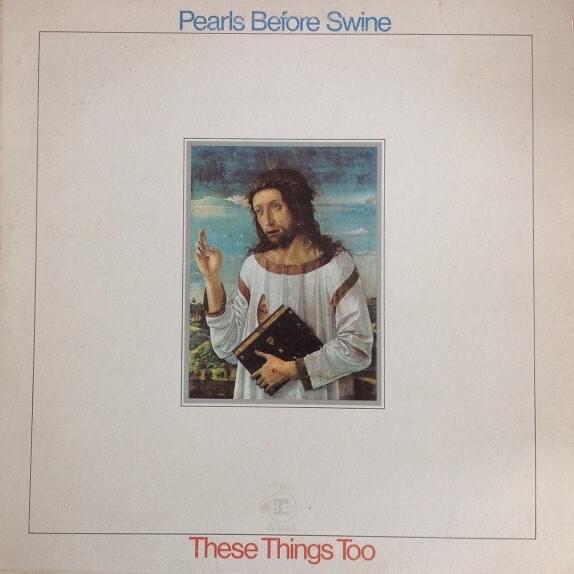
 View Artist