Song Meaning
The narrator is grappling with a recent loss, a familiar pattern of speaking and then returning to a situation. There's a clear desire to move forward, but also a firm stance against being forced into anything. The repeated phrase "Perdi mas uma vez" (I lost once again) immediately sets a tone of weary resignation, yet the subsequent declaration "Agora quero prosseguir em paz" (Now I want to proceed in peace) signals a shift towards self-preservation.
The core tension lies between the pain of repeated loss and the determined resolve to find peace and happiness again. The narrator acknowledges past actions, "Tanto que falei, voltei" (So much I said, I returned), suggesting a cycle they wish to break. However, the emphatic "Mas obrigar jamais" (But never force) underscores a newfound boundary, a refusal to be compelled into situations that lead to further hurt. The wish for the other person's well-being, "Tudo de bom pra você / Eu desejo porque / Sei perder e ganhar" (All good things for you / I wish because / I know how to lose and win), reveals a mature acceptance of life's ups and downs, even amidst personal disappointment.
The most striking aspect is the narrator's self-possession in the face of adversity. The lyrics move from a statement of loss to a confident assertion of inner strength. The promise "Felicidade há de voltar para mim" (Happiness will return to me) and the conviction "Vou me livrar da tristeza / Com toda certeza / Um dia ela pode ter fim" (I will rid myself of sadness / With all certainty / One day it can end) are not mere hopes but declarations of intent. This internal fortitude, the understanding that one can both lose and win, is the bedrock of their resilience.
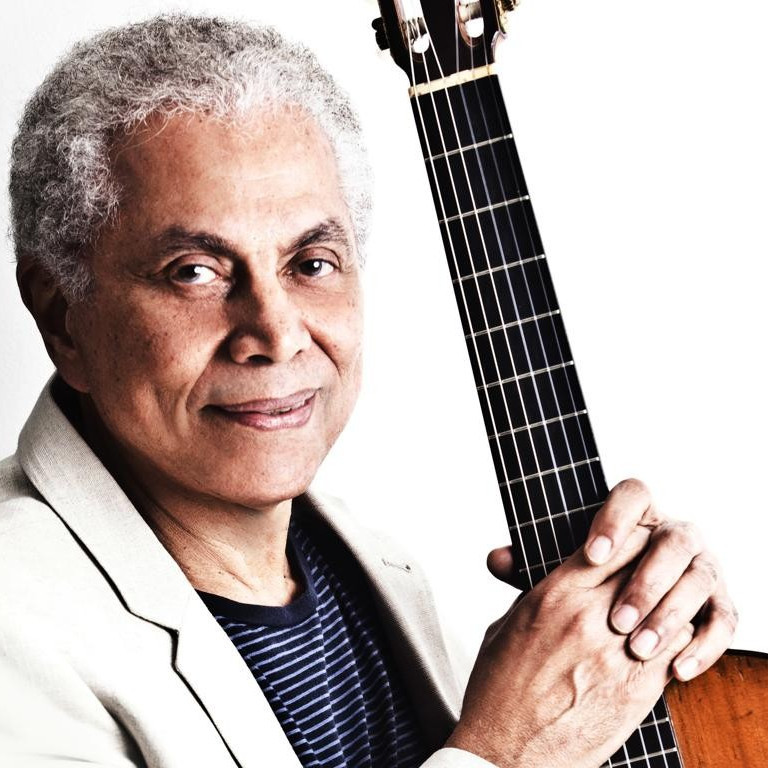
 View Artist