Song Meaning
This track paints a stark picture of loneliness as an all-consuming force, described as 'lava that covers everything.' The bitterness is palpable, personified by a grim smile, and the word 'solidão' itself is depicted as deeply etched into the heart. The narrator feels resigned and silent, moving to the rhythm of disillusionment, a feeling amplified by the repeated phrase 'desilusão, desilusão.'
The central tension lies in this inescapable 'dança da solidão' – the dance of loneliness – where both the speaker and the listener are seemingly caught. This isn't a solitary experience but a shared, albeit bleak, movement. The lyrics contrast personal despair with external narratives: Camélia's widowhood, Joana's infatuation, and Maria's attempted suicide over love. These vignettes highlight how love and loss drive intense emotional states, mirroring the speaker's own internal struggle.
The most striking craft element is the juxtaposition of profound despair with a glimmer of hope. While the first half is steeped in 'amargura' (bitterness) and 'desilusão,' the final stanza introduces 'uma fonte de água pura' (a spring of pure water). This imagery offers a potential escape from the bitterness, suggesting that finding this pure source can end the cycle of sorrow. The contemplation of the moon and the touch of the 'viola' (guitar) during the 'madrugada' (dawn) also suggest moments of quiet reflection amidst the pain.
Ultimately, the lyrics resonate because they articulate a universal feeling of being trapped by sorrow, yet they offer a subtle, almost whispered, possibility of redemption. The 'dança da solidão' is presented as a shared plight, but the introduction of the pure water suggests that transcending this state is possible, even if the path isn't explicitly detailed. It’s this delicate balance between the weight of loneliness and the faint promise of relief that gives the song its enduring emotional power.
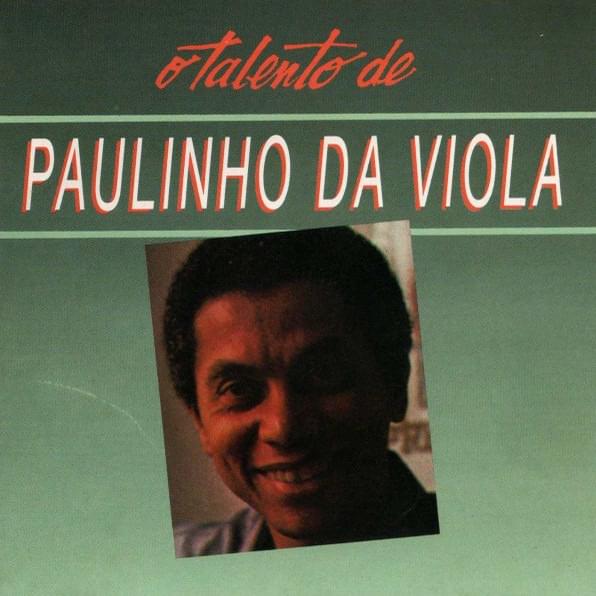
 View Artist