Song Meaning
The narrator lays down an unshakeable declaration of self: "Eu sou assim" (I am like this). This isn't a plea for acceptance, but a statement of fact, repeated with unwavering conviction. The immediate follow-up, "Quem quiser gostar de mim" (Whoever wants to like me), frames affection as an optional consequence, not a goal. It establishes a defiant independence from external validation right from the jump.
This fierce self-possession is rooted in a radical present-moment focus. "Meu mundo é hoje" (My world is today) and "Não existe amanhã pra mim" (There is no tomorrow for me) signal a rejection of future anxieties and past regrets. The narrator appears to live entirely in the now, unburdened by what might come or what has been. This philosophy extends to their mortality, with the stark assertion, "Assim morrerei um dia" (Like this I will die one day), free from "arrependimentos" (regrets) or the "peso da hipocrisia" (weight of hypocrisy).
The lyrics sharpen their point by contrasting this present-focused authenticity with the perceived compromises of others. The narrator expresses pity for those who "se agacham até o chão" (crouch to the ground), suggesting a demeaning subservience driven by "dinheiro ou posição" (money or position). This is framed as self-deception, a path the narrator explicitly rejects: "Nunca tomei parte / Desse enorme batalhão" (I never took part / In this enormous battalion).
The effectiveness of this declaration lies in its bluntness and the striking final image. The idea that "além de flores / Nada mais vai no caixão" (besides flowers, nothing else goes in the coffin) is a powerful, almost darkly humorous, reminder of life's ultimate futility regarding material gain or social status. It underscores why the narrator chooses their unyielding present-tense existence and their refusal to bend for superficial rewards.
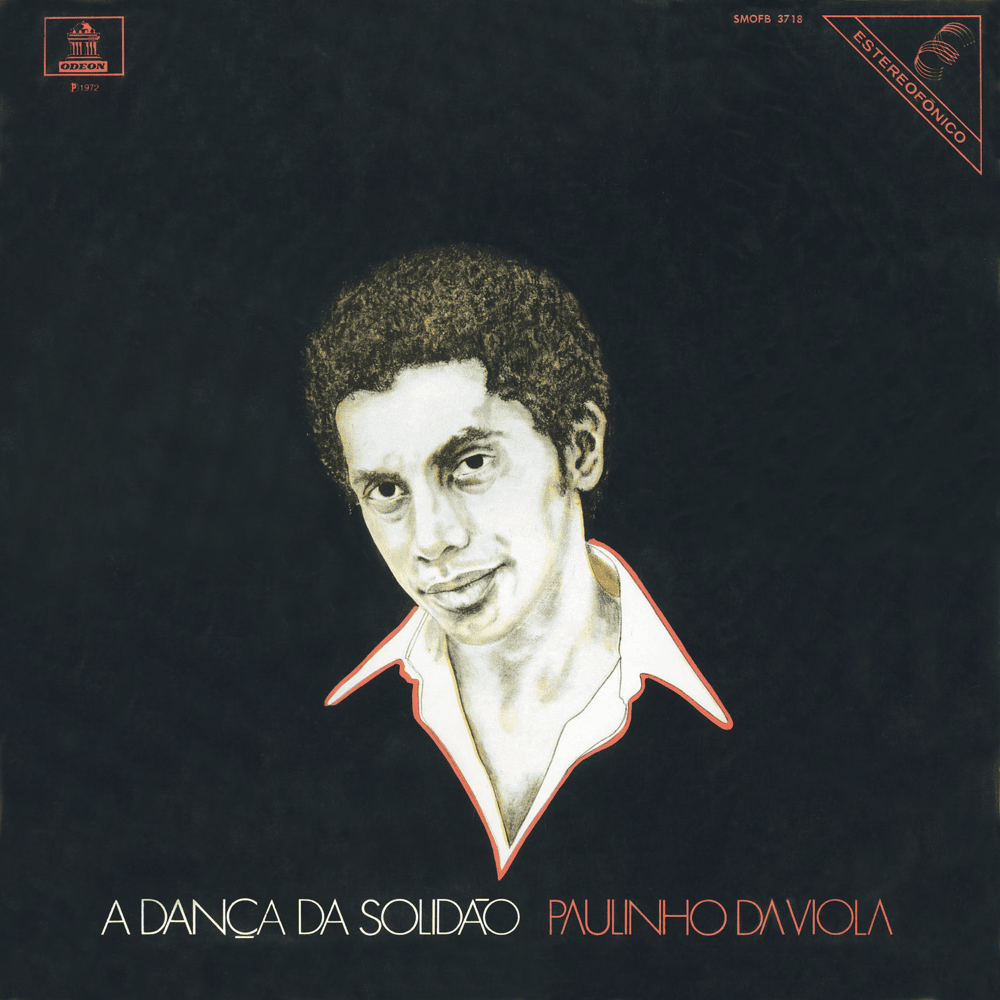
 View Artist