Song Meaning
The lyrics paint a stark picture of deep sorrow and emptiness. The narrator describes "water in my eyes" and "sorrow in my chest," immediately establishing a tone of profound sadness. This emotional weight is mirrored by physical sensations of lack: "my mouth empty, like my hands." The pervasive feeling is one of being overwhelmed, with "my ears full of lamentation," suggesting this sorrow is all-encompassing and inescapable.
The central tension arises from a desperate, yet ultimately futile, hope for relief. The narrator is "waiting for carnival," a time of celebration and escape, to "kill my sorrows." There's a yearning for a "song to come and suffocate my tears." However, this hope is immediately undercut by the harsh reality that "carnival is only three days," highlighting the temporary nature of any external joy and the enduring depth of their pain.
The most striking aspect of the craft is the direct equation of internal states with external emptiness and the sharp contrast between the desired escape and its fleeting duration. The imagery of "empty mouth" and "empty hands" powerfully conveys a sense of void, while the brief mention of "carnival" as a solution, immediately followed by its limited timeframe, creates a poignant irony. This juxtaposition underscores the narrator's despair, suggesting that even the most vibrant celebrations offer no lasting solace.
What makes these lyrics hit so hard is their unflinching portrayal of a specific kind of despair. It's not just sadness, but a profound sense of emptiness and a desperate grasp for temporary relief that is quickly revealed as insufficient. The simple, direct language and the stark imagery create an immediate emotional resonance, making the narrator's lament feel intensely personal and deeply felt.
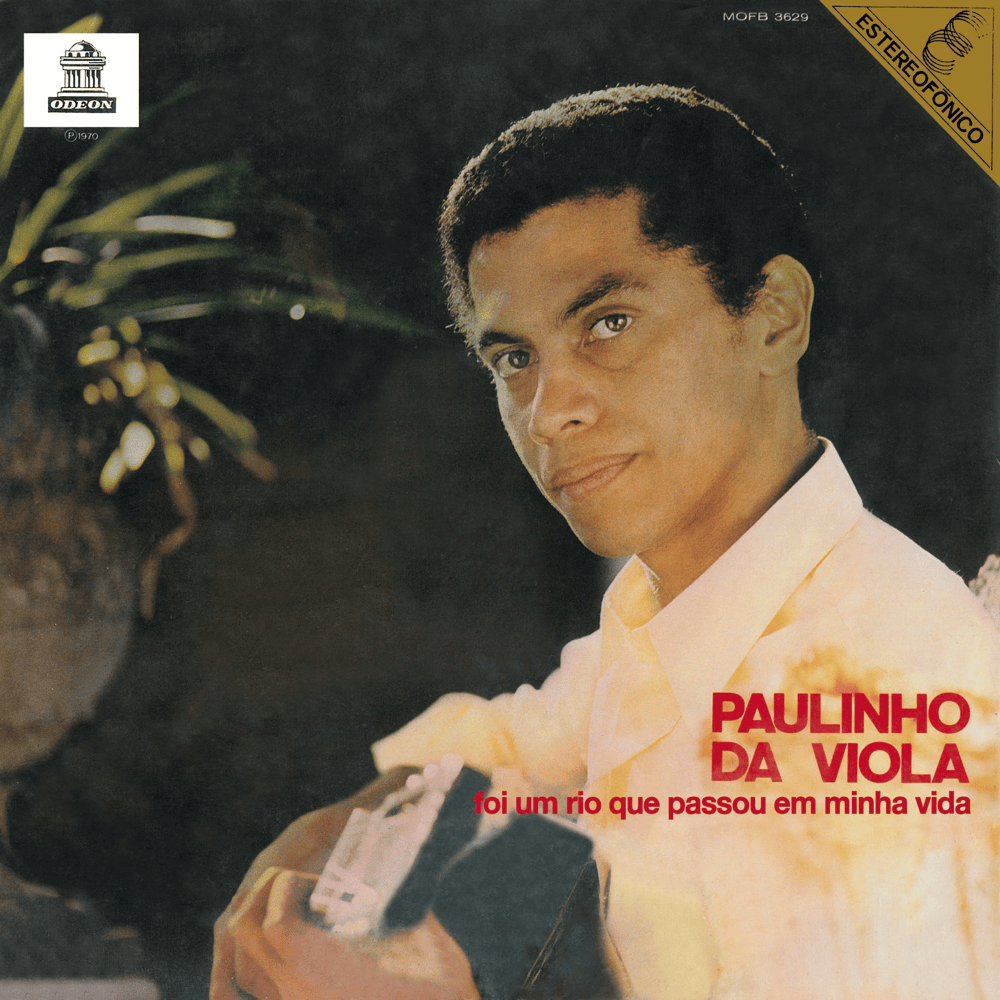
 View Artist